A great deal of Nepal is not a trek. The Kathmandu Valley alone holds seven UNESCO monument zones and a living Newar craft tradition; the Terai has two of Asia's best wildlife parks; Lumbini is one of the four principal Buddhist pilgrimage sites; and Pokhara gives a Himalayan skyline from a lakeside at 820 m.
These itineraries are for travellers who do not want to walk for two weeks, who are travelling with children or older family, who are in Nepal for work with days to spare, or who are building a trip around a short trek. Each can be adjusted.
The Itineraries
| Tour | Days | Covers |
|---|---|---|
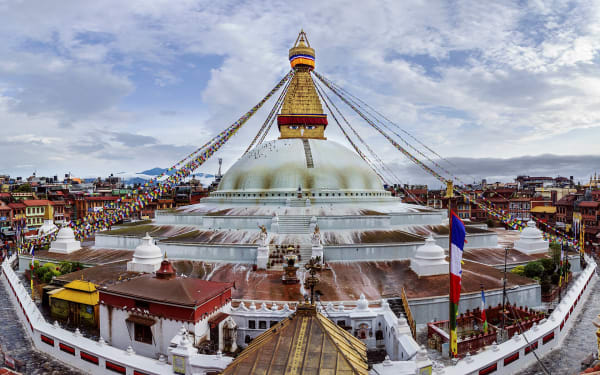
| Kathmandu day tour | 1 | Durbar Square, Swayambhunath, Boudhanath, Pashupatinath |
| Seven World Heritage sites | 1 | All seven valley monument zones in one long day |
| Kathmandu Valley tour | 5 | The valley properly — all seven sites plus Nagarkot and the villages |
| Kathmandu and Pokhara | 7 | The valley, Pokhara, Sarangkot sunrise and Phewa Lake |
| Nepal Cultural Tour | 9 | The valley, Bandipur, Gorkha, Pokhara and the hill villages |
| Best of Nepal Tour | 10 | The valley, Pokhara and Chitwan — the classic first-visit circuit |
| Lumbini tour | 3 | The sacred garden, the monastic zone and Tilaurakot |
| Buddhist pilgrimage tour | — | Lumbini with the valley's Buddhist sites |
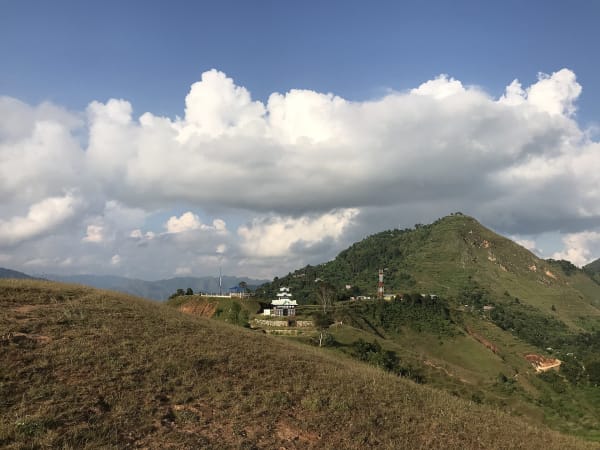
| Sirubari village tour | 3 | A Gurung homestay village south of Pokhara |
For two weeks, the usual shape is the Best of Nepal circuit plus Lumbini, or the cultural tour plus a short trek from Pokhara such as Poon Hill in three days.
What Each Destination Gives You
The Kathmandu Valley — 2 to 5 days
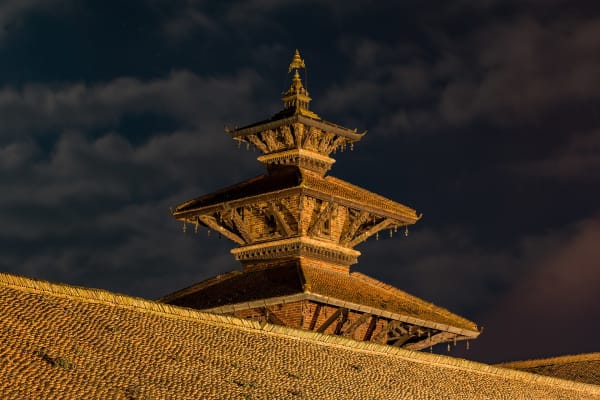
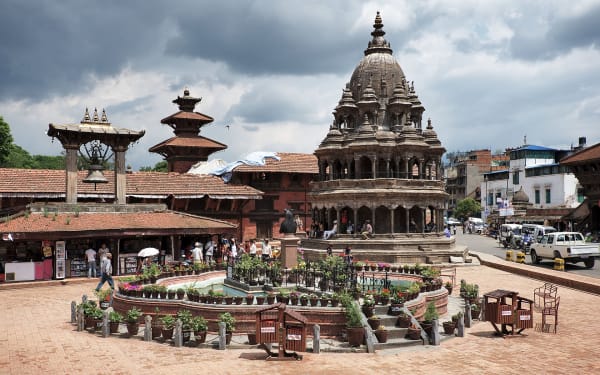
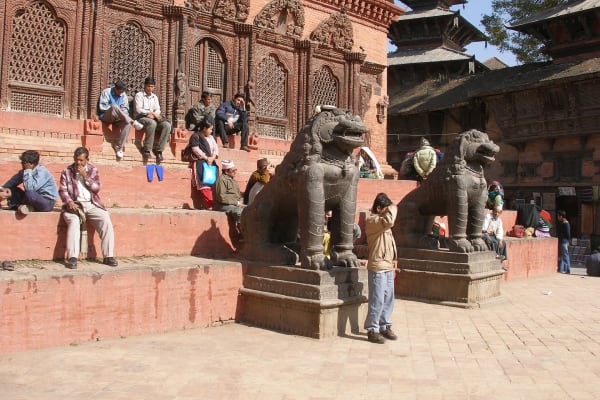
Three medieval royal cities, two great Buddhist stupas, Nepal's holiest Hindu temple, and the oldest temple in the country, all within an hour of each other. Plus a living craft tradition — bronze casting in Patan, pottery and wood carving in Bhaktapur — that has supplied Himalayan Buddhism for a thousand years. See our UNESCO guide, Bhaktapur guide and Patan guide.
Pokhara — 2 to 3 days
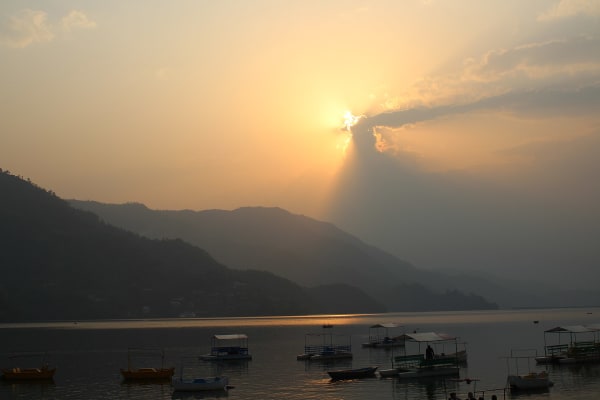
A lake at 820 m with an 8,000 m massif 30 km behind it. The Sarangkot sunrise, Phewa Lake and the World Peace Pagoda, the International Mountain Museum, and Nepal's adventure sports — paragliding, ziplining, rafting. See our Pokhara guide.
Chitwan or Bardia — 2 to 4 days
Greater one-horned rhino, Bengal tiger, gharial crocodile, and over 500 bird species in subtropical sal forest and grassland. Chitwan is closer and busier; Bardia is further west, wilder and better for tigers. See our Chitwan guide and Bardia guide.
Lumbini — 2 days
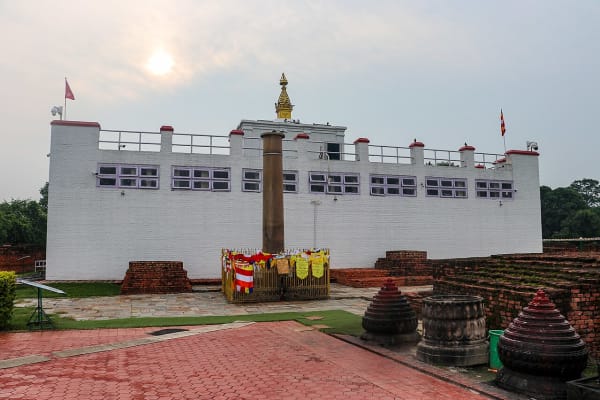
The birthplace of the Buddha, with the Ashoka Pillar of 249 BCE, the Maya Devi Temple, an international monastic zone, and the excavated Shakya capital at Tilaurakot. See our Lumbini guide.
The hill towns — 1 to 2 days each
Bandipur, a preserved Newar trading town on a ridge between Kathmandu and Pokhara, pedestrianised and beautiful. Gorkha, the hill fort from which the Shah dynasty conquered the valley in 1769. Nagarkot and Dhulikhel on the valley rim, both for the Himalayan dawn.
Building a Two-Week Trip
The combination that works best, and the one we build most often:
- Days 1–3, Kathmandu Valley. Kathmandu Durbar Square and Swayambhunath; Patan and the craft quarters; Bhaktapur with an overnight or a Nagarkot sunrise.
- Day 4, Bandipur. Break the drive to Pokhara at the ridge town rather than doing it in one go.
- Days 5–7, Pokhara. Sarangkot at dawn, Phewa Lake and the Peace Pagoda, and a paragliding flight or the mountain museum.
- Days 8–10, a short trek or the Sanctuary flight. Poon Hill in three days for a genuine Himalayan sunrise, or the Annapurna helicopter tour if walking is not wanted.
- Days 11–13, Chitwan. Jeep safari, canoe, jungle walk and the elephant breeding centre.
- Day 14, return to Kathmandu for departure, with Patan or Boudhanath if the flight is late.
Swap Chitwan for Lumbini if Buddhist history matters more than wildlife — they are on the same highway and can both be fitted in with sixteen days.
Who These Suit
- Families with young children or older relatives. Everything is road-accessible with comfortable hotels.
- Travellers with limited mobility. The valley sites involve steps and uneven paving, and we can plan around specific requirements — tell us at the enquiry stage.
- Short trips. Five days gives you a genuine sense of Nepal; ten gives you a full circuit.
- Business travellers with a few days either side of work.
- Return visitors who have trekked before and want the other Nepal.
- Anyone building around a short trek. A cultural week plus a three to five day trek from Pokhara is, for a lot of people, a better two weeks than a single long trek.
Practical notes: road journeys in Nepal are slow — Kathmandu to Pokhara is six to seven hours, Pokhara to Chitwan five — and flights can replace the long legs for a modest upgrade. October to April is the comfortable season for all of this; the Terai is very hot from April to June, and the monsoon affects roads. Our seasons guide covers the year.