

Ama Yangri Trek
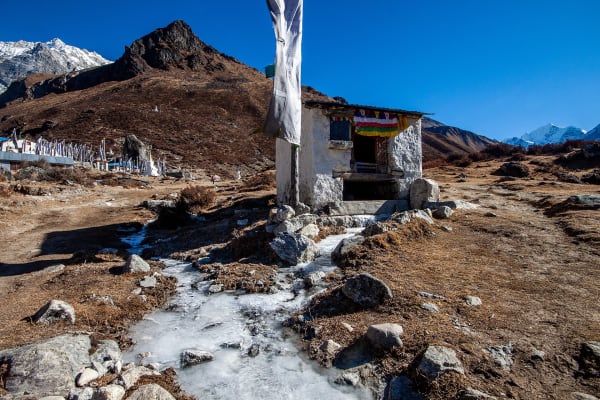
Climb the sacred summit of Ama Yangri (3,800 m) above the Hyolmo village of Tarkeghyang for views of Langtang, Ganesh Himal, and the Kathmandu valley.
From $300/personfor groups of 15+
1
Trek (1 × $375)$375
Total$375
Porter
$105 / porter
0
$0Airport Arrival & Departure Transfer
$50 / group of up to 6, arrival and departure
0
$0Extra Night in City
$50 / room per night
0
$0No payment required yet
Trip Overview
Duration3 Days
DifficultyModerate
Max Altitude3,800 m/ 12,467 ft
Best TimeMar-May, Oct-Dec
Min Price$300
RegionLangtang Region
The Ama Yangri Trek is a 3-day trek that starts and ends in Kathmandu, reaching 3,800 m (12,467 ft) at its highest point. It is graded moderate, and the best time to go is March to May and October to December. The price starts at USD 300 per person for groups of 15 or more; a solo traveller pays USD 375 and two people pay USD 360 each.
Transport from Kathmandu to the trailhead and back, your licensed guide, the permits and the teahouse nights on the trail are included; airport pickup and drop-off and your hotel nights in Kathmandu before and after the trek are not. Airport transfers and hotel nights can be added as extras when you book.
The Ama Yangri Trek is a short, high-value escape from Kathmandu into the Helambu region, ending on a sacred summit that looks straight down on the Kathmandu valley one way and across to the Langtang, Ganesh, and Jugal Himal ranges the other. The base is Tarkeghyang (2,590 m), a Hyolmo Buddhist village of whitewashed houses, prayer wheels, and an old monastery, reached by road in a single day from the capital.
From the village, a steady half-day climb leads to Ama Yangri (3,800 m), a prayer-flag-covered summit regarded locally as the protective deity of the Hyolmo people and visited each year by pilgrims. With only one walking day, a comfortable village stay, and no altitude to speak of, this five-day itinerary is ideal for travellers with limited time, weekend visitors, and anyone wanting Himalayan views without a long commitment.
Trip Highlights
The Sacred Summit of Ama Yangri (3,800 m): Climb to a prayer-flag-covered peak revered as the guardian deity of the Hyolmo people.
Langtang, Ganesh, and Jugal Himal: Take in three Himalayan ranges plus the Kathmandu valley from a single summit panorama.
Tarkeghyang Village: Stay in a traditional Hyolmo Buddhist settlement of whitewashed houses, prayer wheels, and an old monastery.
Reachable in One Day from Kathmandu: Drive straight to the trailhead village rather than spending days walking in from a road head.
A Genuine Trek in a Long Weekend: Get real Himalayan views and mountain culture without committing more than five days.
Ama Yangri Trek Itinerary: 3 Days
A 3-day escape to the Hyolmo village of Tarkeghyang with a day climb to the sacred summit of Ama Yangri (3,800 m) and views of three Himalayan ranges.
1Day 1:Drive from Kathmandu (1,400 m) to Tarkeghyang (2,590 m)
Day 1:
Drive from Kathmandu (1,400 m) to Tarkeghyang (2,590 m)
2Day 2:Hike from Tarkeghyang (2,590 m) to Ama Yangri Peak (3,800 m) and Hike Back to Tarkeghyang (2,590 m)
Day 2:
Hike from Tarkeghyang (2,590 m) to Ama Yangri Peak (3,800 m) and Hike Back to Tarkeghyang (2,590 m)
3Day 3:Drive from Tarkeghyang (2,590 m) to Kathmandu (1,400 m)
Day 3:
Drive from Tarkeghyang (2,590 m) to Kathmandu (1,400 m)
Inclusions & Exclusions
Private transport to and from Tarkeghyang, Kathmandu accommodation, village lodging, all trekking meals, national park permits, a licensed guide, trekking map, first aid, and government taxes are included, while international flights, visa, insurance, personal gear, porter service, city meals, personal expenses, and tips are excluded.
What's Included
Private transportation from Kathmandu to Tarkeghyang and back to Kathmandu as per the itinerary.
Accommodation in local teahouses during the trek.
Langtang National Park Entry Permit and required trekking permits.
Professional English-speaking licensed trekking guide.
Three meals a day (breakfast, lunch, and dinner) during the trek.
Group trekking map for route guidance.
First aid kit carried by the guide.
All government taxes, permit fees, and service charges.
What's Excluded
Travel insurance, including emergency helicopter evacuation coverage.
Personal trekking equipment and clothing.
Porter services (available at an additional cost).
Snacks, bottled water, hot showers, Wi-Fi, charging fees, and alcoholic or soft drinks.
Personal expenses such as laundry, phone calls, and souvenirs.
Tips for guides, drivers, and support staff.
Any additional accommodation, transportation, or expenses caused by unforeseen circumstances beyond the itinerary.
- Accommodation and meals in Kathmandu unless mentioned in the itinerary.
- Airport pickup and drop-off in Kathmandu.
Ama Yangri Trek Route Map
Explore the terrain map showing the trek route.
Altitude Profile
2,590 m max1,400 m min
2,000 m
1
2
3
Ama Yangri Trek Cost 2026–2027
Transparent per-person pricing based on group size, covering the services listed in the itinerary with no hidden charges.
Add-ons
Customize your trek with optional services such as porter support and other personalized arrangements at an additional cost.
Add-onDescriptionPrice
Porter$105 / porter
Porter service is available at an additional cost for the three days the porter is engaged, covering the trek itself and the transfer days to and from the trailhead, with one porter generally shared between two trekkers and carrying up to 20 kg.
$105 / porter
Airport Arrival & Departure Transfer$50 / group of up to 6, arrival and departure
A private transfer in both directions, in one price, for up to 6 people travelling together. When you land at Tribhuvan International Airport in Kathmandu, our driver meets you in the arrivals hall and takes you to your hotel; on the day you fly home, we collect you from your hotel and take you back to the airport. One add-on covers both the arrival and the departure transfer for a group of up to 6 people, so do not add it again for the way back. For a larger group, add it once for every 6 people or part of 6: 1 to 6 people add it once, 7 to 12 twice, 13 to 18 three times, and a group of 20 adds it four times. Send us your flight numbers and arrival and departure times when you book.
$50 / group of up to 6, arrival and departure
Extra Night in City$50 / room per night
An extra hotel night in Kathmandu, before or after the trek. You stay in a good-quality hotel in the city, in a private twin or double room for one or two people, and breakfast is included. The price is per room per night, not per person, so two people sharing a room pay it once. Add one for every night you need: the night you land in Kathmandu, the night the trek ends, or a spare night before your flight home. Tell us under Special Requests when you book which dates each night is for, and we reserve the room and confirm it with your booking.
$50 / room per night
Best Time to Trek
October to December and March to May are the best periods. Autumn and early winter give exceptionally clear air, and because the summit view is the entire point of this trek, clarity matters more than warmth. On a good November morning you can pick out Langtang Lirung, Dorje Lakpa, Ganesh Himal, and the Kathmandu valley all at once.
Spring adds rhododendron colour on the climb and mild temperatures. January and February are cold and can bring snow to the summit ridge, though the trek remains feasible with warm gear. The monsoon between June and August fills the ridge with cloud and makes the road to Tarkeghyang unreliable, so it is not recommended.
For a month-by-month look at weather and trail conditions, see our guide to the best time to trek in Nepal.
Hyolmo Culture in Helambu
Tarkeghyang and the surrounding villages are home to the Hyolmo people, a community of Tibetan origin who settled this side of the Himalaya centuries ago and maintain their own language, dress, and Nyingma Buddhist traditions. The village monastery at Tarkeghyang is among the oldest in Helambu, and the whitewashed stone houses with carved wooden windows are characteristic of the area.
Ama Yangri itself is not simply a viewpoint. It is regarded as the seat of the local protective deity, and villagers make an annual pilgrimage to the summit to make offerings and hang prayer flags. Trekkers are welcome, and your guide will explain the customs — walk clockwise around chortens and mani walls, ask before photographing people or the inside of the gompa, and treat the summit prayer flags as an active shrine rather than a photo backdrop.
Travel Insurance
Travel insurance is required for this trek. Your policy should cover trekking to at least 4,500 m, comfortably bracketing the Ama Yangri summit at 3,800 m. Most mainstream travel policies cover this range, but check the altitude clause explicitly rather than assuming, since some cap at 2,500 m or 3,000 m.
Confirm that emergency helicopter evacuation and medical treatment are included. The trek is short and Tarkeghyang is road-accessible, which makes serious incidents unlikely, but the summit ridge itself has no vehicle access and a twisted ankle high on the climb is the kind of thing that needs assistance. Please send us your policy number and the insurer's emergency contact before departure.
Our guide to travel insurance for trekking in Nepal explains the altitude limits, evacuation terms and common exclusions to check before you buy.
Packing List
This is a light packing list by Himalayan standards. Bring comfortable waterproof trekking boots, two base layers, a fleece, a light down jacket for the cold summit morning, a waterproof and windproof shell, trekking trousers, a warm hat, sun hat, gloves, and wool socks. A sleeping bag rated to -5°C is more than sufficient for Tarkeghyang, and the lodge also provides blankets.
You will also want a 25-litre daypack, trekking poles for the descent, a headlamp with spare batteries for the early start, high-SPF sunscreen and lip balm, sunglasses, a reusable bottle with purification tablets or a filter, a small first aid kit with blister care, a quick-dry towel, toiletries, and a power bank. Because there is only one walking day, most people do not need a porter at all.
For the complete kit list, organised by the altitude you will reach, see our Nepal trekking packing list.
Accommodation, Food & Drinking Water
You stay in a village lodge or homestay at Tarkeghyang for two nights. Hotel nights in Kathmandu before and after the trek are not part of the price; add them as an extra when you book. Accommodation in the village is simple but welcoming — twin rooms with foam mattresses and blankets, shared bathrooms, and a dining room heated by a stove in the evening. Staying here supports a small Hyolmo community that receives very few overnight visitors.
Three meals a day are included on the trek days. The menu is short and home-cooked: dal bhat, noodle soup, fried rice, eggs, chapati, potatoes, and porridge, with vegetables grown in the village. Butter tea and local millet dishes are worth trying if they are offered. Water comes from spring-fed village taps and should be treated with tablets, a filter, or a UV pen; carry at least a litre and a half for the summit climb, as there is no water source on the ridge.
Frequently Asked Questions
Find quick answers to common questions about the Ama Yangri Trek.
Where does the Ama Yangri Trek start and finish?
Where does the Ama Yangri Trek start and finish?
2What is not included in the Ama Yangri Trek?
What is not included in the Ama Yangri Trek?
3How long is the climb to the summit?
How long is the climb to the summit?
4Which permits are required and do you arrange them?
Which permits are required and do you arrange them?
5How long is the drive from Kathmandu to Tarkeghyang?
How long is the drive from Kathmandu to Tarkeghyang?
6Is this trek suitable for beginners or families?
Is this trek suitable for beginners or families?
7Do I need a porter for a trek with one walking day?
Do I need a porter for a trek with one walking day?
8Is mobile network and Wi-Fi available?
Is mobile network and Wi-Fi available?
9Can I charge my devices in the village?
Can I charge my devices in the village?
10Where can I withdraw cash?
Where can I withdraw cash?
11Can this trek be extended or combined?
Can this trek be extended or combined?
12Can I leave extra luggage in Kathmandu?
Can I leave extra luggage in Kathmandu?
13How much does the Ama Yangri Trek cost?
How much does the Ama Yangri Trek cost?
Gallery
Explore authentic moments, landscapes, and mountain views from the Ama Yangri Trek.
Trekking Guides & Articles
Short Treks Near Kathmandu: Himalayan Walks in 2 to 6 Days — You do not need a flight or a fortnight to see the Himalaya from Kathmandu.
Best Short Treks for the Dashain Holiday (3 to 7 Days) — The Dashain holiday gives most people in Nepal about a week, and October gives the weather for it.
Fixed Departures
This trek runs every week on the selected day. Choose custom dates for one-off departures.
Sort By Date
Month
Showing fixed departures in Dec 2026
Start DateStatusPriceContact Us
Guest Reviews
4.915 reviews
5
14
4
1
3
0
2
0
1
0
A trip we will talk about for years
“Ama Yangri Trek was the main reason for our Nepal trip, and it lived up to the photos I had been staring at for months. The sunrise from the last teahouse before the pass on day 4 is the best thing we...
A
Alessandro Griffin
Contact Us
Get in Touch
Tell us the dates you have in mind and roughly what you want out of the trek — one of our guides will reply, usually within 24 hours.
Email Us
info@greencompasstreks.com
Call Us
+977 9864379436
Office
Lakeside, Pokhara, Nepal
Office Hours
Sunday – Friday, 9:00 AM – 9:00 PM
Similar Treks
You might also like these treks

From $300/personfor groups of 15+
1
Trek (1 × $375)$375
Total$375
Porter
$105 / porter
0
$0Airport Arrival & Departure Transfer
$50 / group of up to 6, arrival and departure
0
$0Extra Night in City
$50 / room per night
0
$0No payment required yet