Travel insurance is the one booking requirement we will not waive. Above the road head in Nepal there is no ambulance and no road: a serious illness or injury means a helicopter, and helicopter operators fly against a guarantee of payment. Without cover, that guarantee has to come from you or your family, in cash, while someone is sick at 5,000 m.
The problem is that most policies sold as covering trekking cover it only to 3,000 m. That is lower than Namche Bazaar. This guide is about reading the clause that actually matters rather than the marketing copy on the front page.
The Four Clauses That Matter
- Maximum trekking altitude. The policy must state a figure at or above the highest point of your route. Look for a number, not the phrase trekking and hiking covered.
- Emergency helicopter evacuation and repatriation. Must be explicit. Medical cover alone does not pay for a helicopter.
- Medical expenses and hospital treatment in Nepal. USD 100,000 or more is a sensible floor; Kathmandu's private hospitals are good and not cheap.
- Trip cancellation and curtailment. Permits, internal flights, and lodge bookings are non-refundable, and a cancelled Lukla flight can shorten a trek by days.
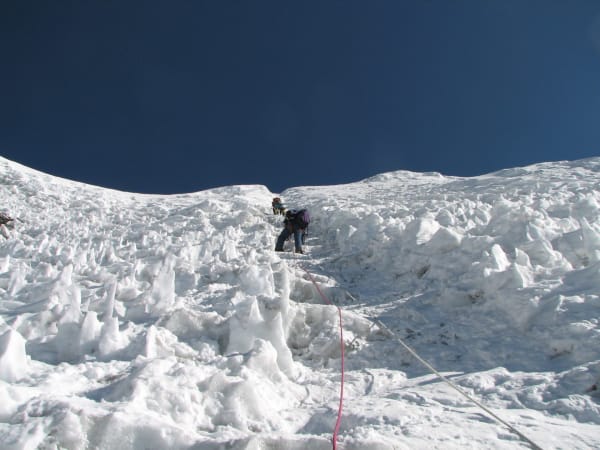
If your trip includes a trekking peak, add a fifth: the policy must cover mountaineering with ropes, crampons, and ice axes. Many policies that happily cover trekking to 6,000 m exclude exactly that activity, which is the whole point of an Island Peak or Mera Peak trip.
Altitude Cover Needed by Route
Buy cover for the highest point you will reach, with a margin. A policy rated to exactly 5,364 m on an Everest Base Camp trek leaves you uninsured the morning you climb Kala Patthar.
| Route | Highest point | Minimum altitude cover to buy |
|---|---|---|
| Poon Hill, Ama Yangri, Pikey Peak | 2,885 – 4,065 m | 4,500 m |
| Mardi Himal, Langtang Valley, Everest View | 3,580 – 4,500 m | 5,000 m |
| Annapurna Base Camp, Gokyo, Makalu Base Camp | 4,130 – 4,870 m | 5,000 m |
| Everest Base Camp with Kala Patthar | 5,545 m | 6,000 m |
| Annapurna Circuit (Thorong La), Manaslu Circuit (Larke La) | 5,106 – 5,416 m | 6,000 m |
| Everest Three Passes, Sherpani Col, Tashi Lapcha | 5,420 – 6,180 m | 6,500 m and technical trekking |
| Island Peak, Mera Peak, Lobuche East | 6,119 – 6,476 m | 7,000 m and mountaineering |
| Ama Dablam and 8,000 m expeditions | 6,812 m and above | Specialist expedition policy |
How Helicopter Evacuation Actually Works
It is worth understanding the sequence, because it explains why we ask for your policy number before you start walking.
- Your guide assesses the situation and calls our operations desk in Kathmandu by mobile or satellite phone.
- We contact the helicopter operator and your insurer's 24-hour emergency line simultaneously.
- The operator requires a payment guarantee — from the insurer if the policy covers it, otherwise from you.
- The helicopter flies in daylight and in flyable weather only. A late-afternoon incident often means a dawn pickup.
- The patient is flown to Lukla or Kathmandu depending on severity, and admitted to a hospital we work with.
Costs are significant: a Khumbu evacuation to Kathmandu typically runs into several thousand US dollars. Some insurers pay the operator directly; others reimburse you afterwards against receipts. Ask which, and keep every piece of paper.
One caution that protects you and the industry: Nepal has had problems with unnecessary evacuations arranged for commission. Our guides call for a helicopter on medical grounds alone, and the decision is made with our operations team, not by a lodge.
What We Need From You
Before departure, send us four things:
- The insurer's name and your policy number.
- The 24-hour emergency assistance telephone number.
- The stated maximum trekking altitude on the policy.
- Confirmation that helicopter evacuation and repatriation are included.
Carry a printed copy in your daypack and keep a photo of it on your phone. Your guide will also carry a copy, because the person who needs the policy details is rarely the person in a position to find them.
Common Gaps and Exclusions
- Altitude caps at 3,000 m in standard annual multi-trip policies — the most common gap by a wide margin.
- Trekking covered but mountaineering excluded, which voids cover the moment you rope up on a trekking peak.
- Search and rescue excluded while medical evacuation is included. On a remote route like Dolpo or Kanchenjunga, search costs are the real exposure.
- Pre-existing conditions undeclared. Declare them. An undeclared condition is the usual reason a large claim is refused.
- Unlicensed operator clauses. Some policies require that you trek with a licensed agency and guide, which is now the legal requirement in Nepal's protected areas in any case.
- Credit card travel cover that excludes anything above 2,500 m, or excludes Nepal entirely.
Nepali insurers cannot generally sell this cover to visitors, so buy in your home country before you fly. If your policy arrives with the altitude clause buried, email the insurer and get a written answer naming your route — that reply is worth keeping with the policy.