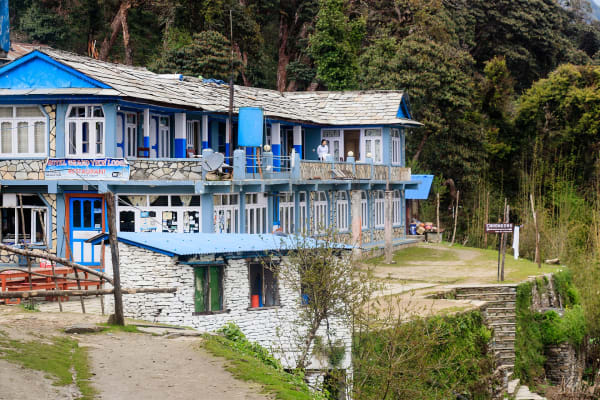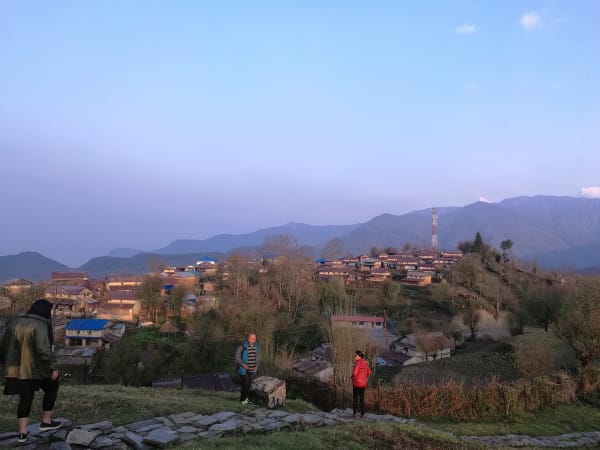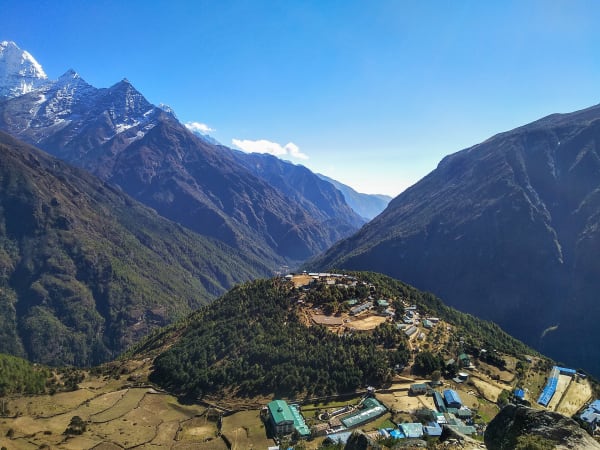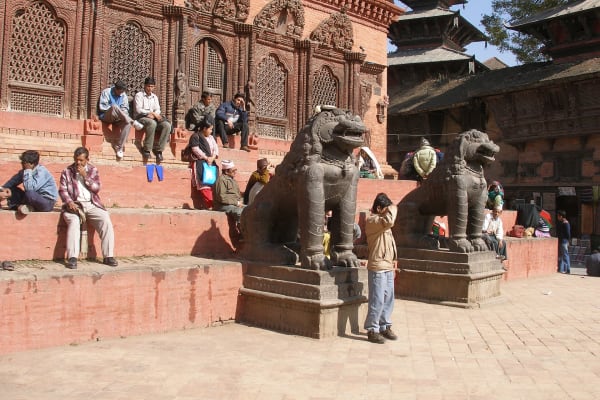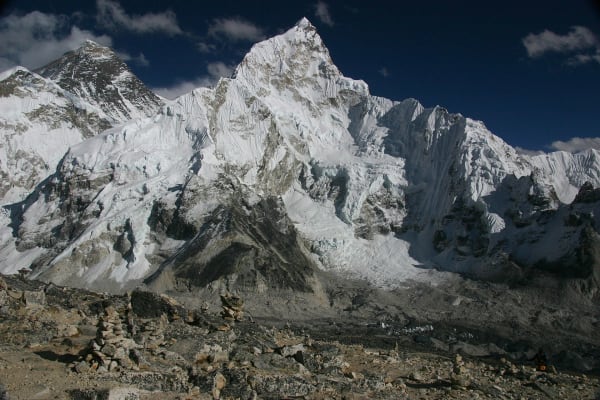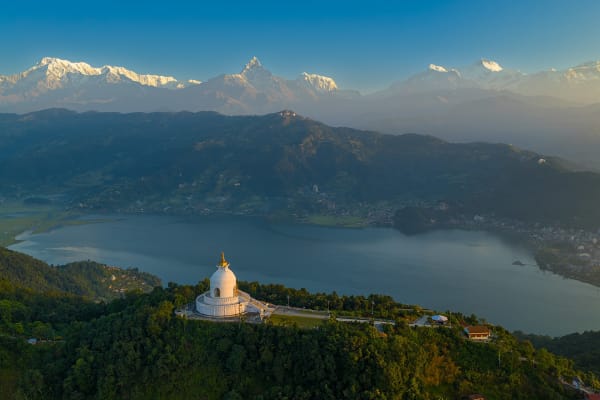

Families are sometimes surprised to hear that Nepal is one of the easiest places in the world to go trekking with children. The main trails link villages a few hours apart, so you can stop whenever small legs are tired. Every night there is a lodge with a warm dining room and a menu. Porters carry the bags, and guides become honorary uncles within a day. And Nepali people love children: yours will be greeted, fed, played with and photographed all the way up the trail.
The key is choosing the right route for your children's ages and planning around the one thing that is genuinely different in the mountains: altitude. This guide covers both, with a route-by-route table, the health questions parents ask most, and the practical details that make a family trek work.
Is Trekking in Nepal Suitable for Children?
Yes, with the right route and the right expectations. Children who walk happily for a few hours at home can usually manage a teahouse trek in Nepal, and many love it: there are suspension bridges, mule trains with bells, prayer wheels to spin, village children to play with and mountains that look exactly like a child's drawing of a mountain.
What changes with children is the pace and the ceiling. A family trek should have shorter days, more rest, a flexible plan and a maximum sleeping altitude that suits the youngest member of the group. A private trek, rather than a fixed group departure, lets you set all of those. Our Poon Hill trek is the route we suggest most often for a first family trek.
The Best Family Treks by Age
| Trek or trip | Days | Highest night | Suggested ages | Why it works |
|---|---|---|---|---|
| Chitwan National Park | 3 | 150 m | All ages | Rhinos, elephants and jeep or canoe safaris, with no altitude at all |
| Sirubari village | 3 | About 1,700 m | All ages | A homestay in a Gurung village, with short walks and lots of contact with local families |
| Ghalegaun and Ghanpokhara | 4 | About 2,100 m | All ages | Village homestays with Himalayan views, cultural shows and easy walking |
| Poon Hill from Pokhara | 3 | 2,860 m | 6 and over, or younger if carried | The classic short trek, with a famous sunrise and rhododendron forest |
| Mardi Himal from Pokhara | 5 | 3,580 m | 10 and over | A ridge walk with close views of Machhapuchhre, for fit older children |
| Everest View trek | 7 | 3,440 m | 10 and over | Lukla, Namche Bazaar and a view of Everest, with a rest day built in |
| Langtang Valley | 10 | 3,870 m | 12 and over | A big valley close to Kathmandu, with yaks, glaciers and a cheese factory |
| Annapurna Base Camp | 9 | 4,130 m | Teenagers with trekking experience | A real Himalayan objective, with good lodges all the way |
Babies and toddlers
With a baby or toddler, think of a trek as a series of walks between comfortable places, with you or a porter carrying the child in a child-carrier backpack. Stay low: the hills around Pokhara, village stays such as Ghalegaun and Sirubari, and day hikes around the Kathmandu Valley such as Dhulikhel to Namobuddha. Bring your own carrier, as good ones are hard to find in Nepal.
Children aged four to nine
This is a lovely age for a short trek. Aim for three to five hours of walking a day, with plenty of stops. Poon Hill from Pokhara is ideal: three days, a famous sunrise and nights no higher than Ghorepani at 2,860 m. Expect to carry a tired child for part of some days, and plan the route so that you can.
Children aged ten to twelve
Fit ten-to-twelve-year-olds can manage longer treks and higher ridges: Mardi Himal, the Everest View trek with its rest day in Namche, or a week combining Poon Hill with Ghandruk. Give them a job, such as navigating with the guide, counting the bridges or keeping the trip diary, and they will often outwalk the adults.
Teenagers
Teenagers who are fit and keen can do most standard treks, including Langtang Valley and Annapurna Base Camp. Everest Base Camp is possible for experienced, fit teenagers with a properly paced itinerary and a family willing to turn back if anyone struggles, but there are easier ways to see the Himalaya.

Children and Altitude
Altitude is the one real difference between trekking in Nepal and walking in the hills at home, and it deserves care with children. They can get altitude sickness just as adults can, roughly as often, and the treatment is the same: stop going up, and go down if symptoms get worse. The difficulty is that young children cannot always tell you how they feel.
- Watch for changes in behaviour. In a small child, altitude sickness may look like unusual fussiness or crying, loss of appetite, vomiting, poor sleep, or not wanting to play. Treat these as altitude symptoms until proved otherwise.
- Keep the ceiling low for little ones. Many doctors advise keeping babies and toddlers below about 2,500 to 3,000 m, and taking older children higher only slowly. Choose a route where the highest night suits your youngest child.
- Ascend slowly. Above 3,000 m, increase your sleeping altitude by no more than 300 to 500 m a night, with a rest day every three or four days, just as adults should.
- Choose a route you can descend quickly. On the lower Annapurna treks, an hour's walk downhill makes a real difference.
- Talk to your doctor before you go about altitude medication for children. Diamox can be used in children but only on a doctor's advice, and it is never a substitute for a slow ascent.
Our altitude sickness guide explains the symptoms and the rules of ascent in detail.
Health, Food and Hygiene
- Vaccinations: see your doctor or a travel clinic six to eight weeks before you leave. Make sure routine childhood vaccinations are up to date, and ask about hepatitis A, typhoid and rabies. Children are more likely than adults to be bitten by dogs, and less likely to tell you. Our vaccinations guide has the details.
- Food: lodge menus have plenty that children eat happily: fried rice, noodles, pasta, chips, pancakes, porridge, eggs and Tibetan bread. Dal bhat comes with free refills. Bring a supply of familiar snacks from home for the moments when nothing else will do.
- Water: use filtered or purified water only, including for brushing teeth, and avoid ice. Our drinking water guide compares the options.
- Hand hygiene: carry hand sanitiser and use it before every meal. Most stomach upsets on a trek come from hands, not food.
- Stomach upsets: pack oral rehydration salts, which matter even more for children, who dehydrate faster than adults. Ask your doctor about suitable medicines in children's doses before you go.
- Sun: UV is much stronger at altitude. Children need sun hats, sunglasses and high-factor sunscreen even on cool days.
Your travel insurance must cover every member of the family for trekking at the altitude you will reach, including helicopter evacuation. Our travel insurance guide explains what to check.
Planning a Family Trek
- Go private. A private trek lets you set the pace, stop early when someone is tired and change the plan without affecting strangers.
- Shorten the stages. Ask for an itinerary with shorter walking days than the standard one, and at least one spare day.
- Get the right support. One porter for every two adults is usual. With a young child, we can arrange an extra porter who can take turns carrying the child-carrier on steep or tiring sections.
- Choose your season. October to November and March to April are best for families: settled weather and comfortable temperatures. December to February is fine on low routes but the nights are cold. Avoid the monsoon months, when trails are slippery and leeches are common.
- Fly where you can. The flight from Kathmandu to Pokhara takes about half an hour; the drive can take seven hours or more.
- Permits: children under ten are usually exempt from conservation-area and national park fees, though they still need to be registered with the rest of the group.
What to Pack for Children
- Well-fitting walking shoes or boots, broken in before the trip, plus comfortable sandals for the evenings
- Layers: a base layer, a fleece, a warm jacket and a waterproof. Children get cold faster when they stop
- A warm hat, gloves, a sun hat and sunglasses
- A child-sized sleeping bag suited to the coldest night of the trek, and a liner
- A small daypack of their own with a water bottle and snacks
- A head torch each: lodge toilets at night are an adventure
- Cards, a small game, books and a notebook for the long evenings in the dining room
- A child-carrier backpack for under-fives
The full packing list covers the adults.
What Children Love About Trekking in Nepal
- Suspension bridges, swaying high above rivers, and counting them.
- Animals on the trail: mule trains with bells, goats, buffaloes, and yaks higher up.
- Village children, who will happily play football, cards or tag with no shared language at all.
- Monasteries and prayer wheels, which they are allowed to spin, always clockwise.
- A sunrise from a mountain top, especially the crowd and the cheer at Poon Hill.
- Hot springs, such as the pools at Jhinu Danda on the Annapurna route.
- Rhinos and elephants in Chitwan, which make a perfect ending to a trek.

A popular family itinerary is a few days in Kathmandu, a short trek such as Poon Hill from Pokhara, a day on the lake, and two or three nights in Chitwan. Our Kathmandu and Pokhara tour is a good base to build it on. Tell us your children's ages and how long you have, and we will put together a plan. You can reach us through the contact page.