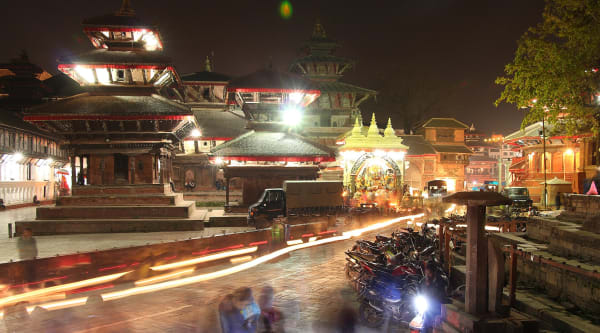
Forty minutes east of Kathmandu, Bhaktapur keeps the festival in a way found nowhere else. The city is Newar, medieval in plan and largely intact, and its Dashain — Mohani in the Newar language — is woven into its streets: the goddesses being worshipped have shrines at fixed points around the town, and the festival moves between them day by day.
It ends with the Navadurga, a troupe of masked dancers who appear for the first time each year at Dashain and then perform through the city's neighbourhoods for months. This guide explains what happens and what a visitor can see. The town itself is covered in our Bhaktapur travel guide.
Mohani: The Newar Dashain
The Newars of the Kathmandu valley celebrate the same fifteen days as the rest of the country under their own names and with their own rites. The outline will be familiar from the fifteen days of Dashain; the texture is different.
| Day | Newar name | What happens |
|---|---|---|
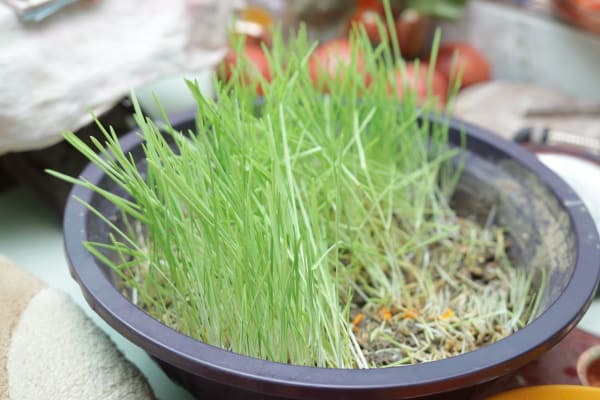
| Day 1 | Nala Swane | Barley is sown in the family's prayer room |
| Day 8 | Kuchhi Bhoye | The clan feast: beaten rice and many dishes eaten off banana leaves, seated in order of age |
| Day 9 | Syakwa Tyakwa | Sacrifice to the goddess; tools, weapons and vehicles are worshipped |
| Day 10 | Chalan | The tika, here including a mark of black lamp soot; processions; the Navadurga appear |
The festival is kept by clan rather than by nuclear family. Each lineage has a shrine room that outsiders do not enter, and the feast on the eighth day gathers everyone who belongs to it. What a visitor sees is the part that spills into the street — and in Bhaktapur a great deal does.
A City Ringed by Goddesses
Bhaktapur was laid out as a sacred diagram. Around its edge stand the open-air shrines of eight mother goddesses — Brahmayani, Maheshwari, Kumari, Bhadrakali, Barahi, Indrayani, Mahakali and Mahalakshmi — each guarding a direction, with a ninth, Tripurasundari, at the centre. Together they protect the town.
During Mohani the city visits them in turn. Before dawn on each of the first nine days, people walk to that day's shrine — beginning in the east at Brahmayani, beside the river, and working round — bathe at the nearest water, make offerings and walk home as it gets light. Neighbourhood music groups go with them, playing drums and flutes.
For a visitor staying in the town it is one of the most atmospheric things in Nepal: lamps moving through dark brick lanes at five in the morning, and a crowd gathered at a shrine that on any other day you would walk past.

The Navadurga
Navadurga means the nine Durgas. In Bhaktapur it is a troupe of dancers, drawn from one hereditary community of the town, who wear the masks of the goddesses and their companions — Bhairav, Mahakali, Barahi, Kumari, Ganesh and the rest. Once masked they are not regarded as performers. They are the deities, and are treated as such: people bow to them, make offerings and bring children to be blessed.
The masks are made new every year by a family of traditional painters, in clay and paper, to a fixed design, and are consecrated during Mohani. At the end of the cycle, in early summer, they are cremated like a body and the ashes kept for the next year's set. For about nine months in between, the troupe moves through Bhaktapur's neighbourhoods and the nearby towns, performing a sequence of dances in each.

Dashain is when it begins. The troupe has been in retreat through the monsoon; the new masks are brought out and given life on the night of the ninth day, at the Brahmayani shrine, where by tradition a buffalo representing the demon is sacrificed. On the tenth day the town goes there to see the masks, and the dancers make their first appearance of the year.
What a Visitor Can See, Day by Day
| Day | 2026 date | In Bhaktapur | For a visitor |
|---|---|---|---|
| Days 1 – 7 | 11 – 17 Oct | Dawn visits to a different goddess shrine each morning | Stay overnight and go with your guide before sunrise |
| Day 8 | Sun 18 Oct | Kuchhi Bhoye in every household; sacrifices at Taleju and the shrines | The squares are quiet in the afternoon; restaurants thin |
| Day 9 | Tue 20 Oct | Tools and vehicles blessed; at night, the rites at Brahmayani | Crowds gather at Brahmayani after dark. Intense; includes sacrifice |
| Day 10 | Wed 21 Oct | The town visits Brahmayani; processions; the Navadurga appear | The day to be here. Ask locally for the hour — it is not published |
| After | From 22 Oct | The Navadurga begin their round of the neighbourhoods | Performances continue on certain days for months |
If you cannot be there for the festival, the Navadurga can still be seen. From Dashain until early summer they perform in one neighbourhood or another, and a guide from the town will know where.
The Rest of the City
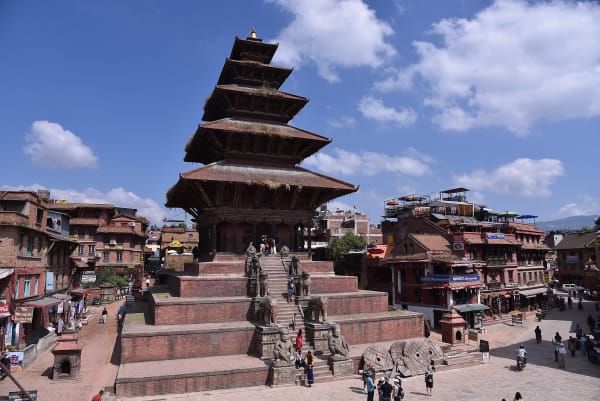
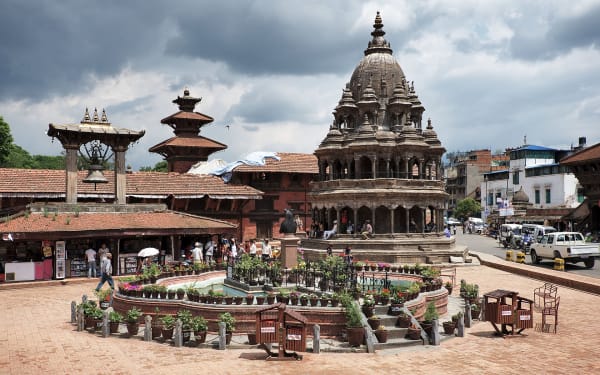
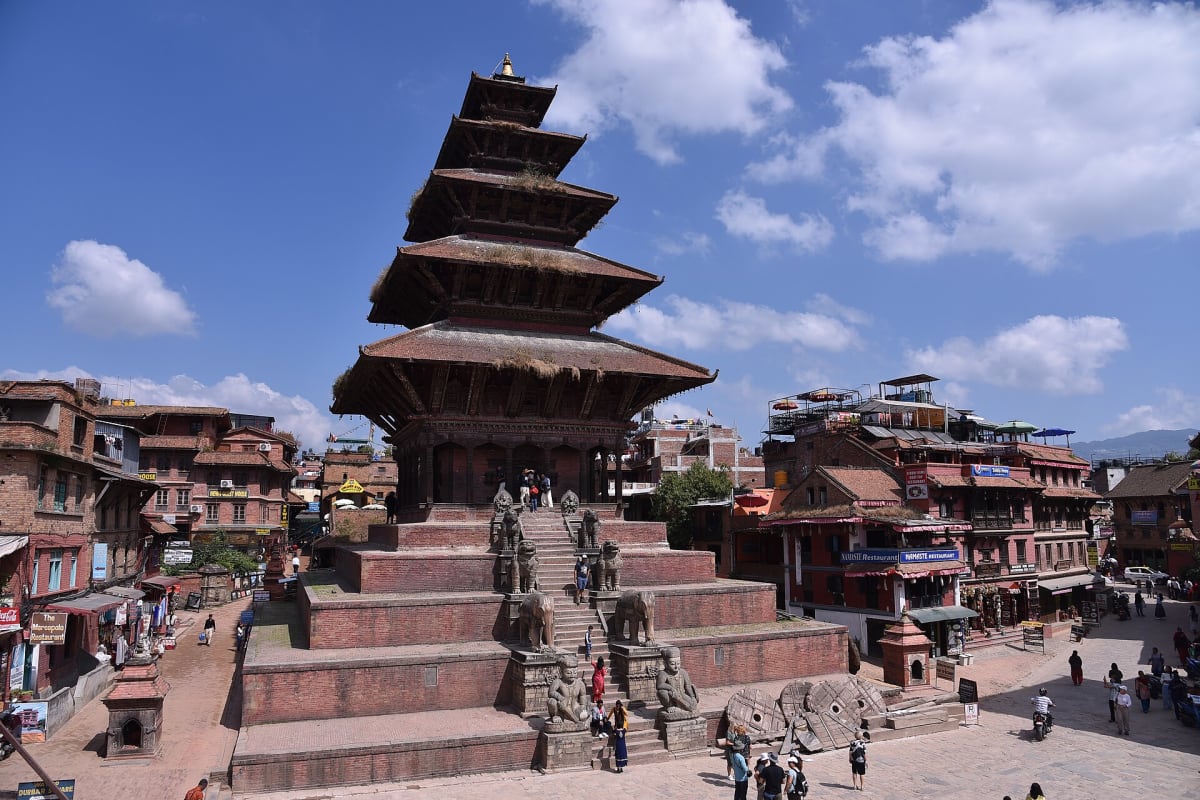
Bhaktapur's three great squares keep their own pace through the festival. Durbar Square holds the palace of fifty-five windows and the Golden Gate, behind which the Taleju temple — the royal goddess again — is the centre of the state side of Mohani; its inner courtyards are closed to non-Hindus. Taumadhi Square has the five-tiered Nyatapola, and Dattatreya Square the oldest quarter of the town. Potters' Square carries on as usual, the clay drying in rows in the October sun.
Because Bhaktapur's people are from Bhaktapur, the town does not empty as Kathmandu does. Shops close for the main days, but the streets are full of residents in their best clothes, and the evening feel is of a town at home rather than a town away. Our Bhaktapur day tour covers the squares; the valley's other monuments are in our UNESCO sites guide.
Etiquette Around the Dancers
- Do not touch them or block their path. They are sacred while masked, and the troupe moves fast.
- Give way to worshippers. People are there to receive a blessing, not to watch a show.
- Photograph from the edge, without flash, and never push to the front. See photographing Dashain.
- Expect sacrifice. Offerings to the Navadurga include animals, and the dancers' rites are not softened for visitors — read animal sacrifice at Dashain.
- Go with a local guide. Nothing about the timing is posted anywhere, and the difference between seeing it and missing it is someone who knows.
- Dress modestly and remove shoes where others do.
Practicalities
| Getting there | 40 minutes to an hour from central Kathmandu; much quicker than usual in the festival's empty days |
| Entry | Foreign visitors buy a ticket at the town gates; keep it, as it can be extended for a longer stay |
| Staying | Stay at least one night. The dawn visits and the evening rites both happen when day visitors are not there |
| Eating | Guesthouse restaurants stay open. Try juju dhau, the town's thick yoghurt, and a Newari set — see the Dashain food guide |
| Combining | Nagarkot, for sunrise over the Himalaya, is 45 minutes further — Nagarkot sunrise tour |
A Kathmandu Valley Tour dated for the festival puts its Bhaktapur day on the eighth or the tenth, and the Kathmandu Photography Tour finishes here at golden hour. For Kathmandu's side of the festival, see Kathmandu during Dashain.