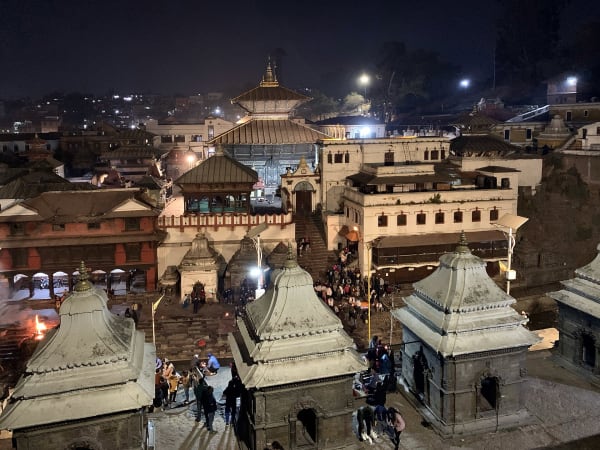
Travel forums give two answers to this question. One says Dashain is the best time to visit Nepal: a fortnight of swings, kites and family feasts. The other says avoid it: everything is closed and you cannot get a bus. Both are right, about different trips.
Dashain falls in late September or October, which is when most people want to be in Nepal anyway. So the useful question is not whether to avoid it but what kind of trip survives it well. This guide sets out both sides without the brochure gloss. The festival itself is explained in our complete Dashain travel guide.
The Short Answer
Yes, if your trip is booked in advance. No, if it depends on arranging things when you arrive.
A traveller with flights, lodges, guide and permits confirmed before the festival loses almost nothing to Dashain and gains a great deal. A traveller who lands on the eighth day intending to sort out a restricted-area permit, find a porter and take a bus to the trailhead will lose most of a week.
The Case For
- The weather. Dashain sits in the post-monsoon window: washed air, stable skies and the sharpest mountain views of the year. See Nepal's trekking seasons.
- The country is in a good mood. People are at home, well fed and on holiday. Hospitality, generous at any time, is close to unstoppable this fortnight.
- You may be invited in. A tika from a host family is the kind of experience visitors come hoping for and rarely get — see receiving Dashain tika.
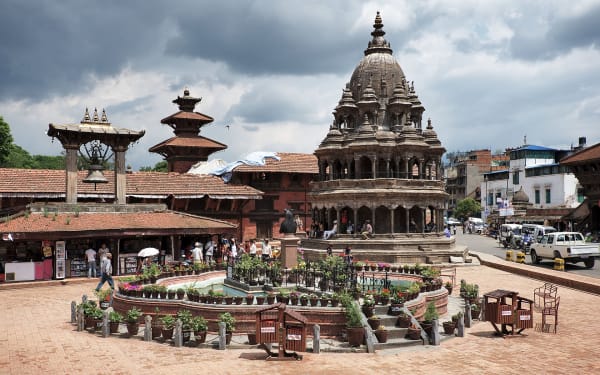
- Kathmandu is at its best. For four or five days the traffic vanishes, the air clears and the mountains appear from the city's rooftops.
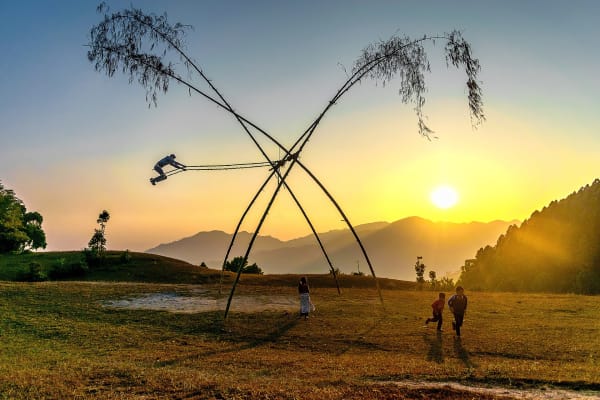
- The villages come alive. Bamboo swings, kites, repainted houses, everyone who left for work back for a week — see Dashain swings and kites.
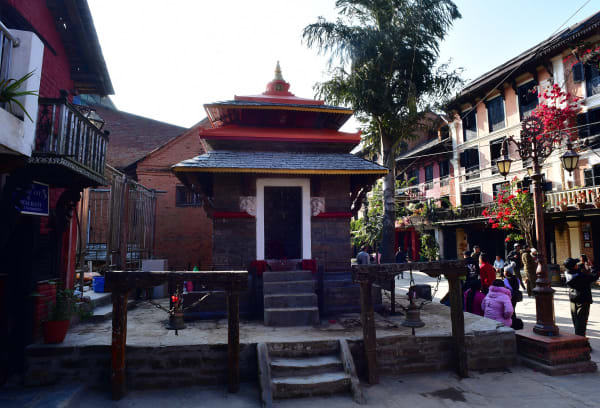
- The temples are doing what they were built for. The Durbar Squares are not museums this week.
- Trekking is unaffected where it counts. Lodges are open on every main route, and the high Buddhist valleys hardly notice the festival.
The Case Against
- Government offices close for a week or more. No restricted-area permits, no visa extensions. See permits during Dashain.
- Banks close and ATMs empty. Cash has to be drawn beforehand.
- Transport is strained. Buses are full, highways jam in the days before Phulpati and after the tika, and domestic flights sell out. See getting around Nepal during Dashain.
- Staff want to be at home. Guides and porters work through Dashain every year, but it is a real sacrifice for them, and the best ones are booked early. See guides and porters at Dashain.
- Local shops and restaurants shut for the main days, and on the tika day even tourist districts are thin.
- The popular short treks are crowded — not with foreigners but with Nepalis on holiday. Poon Hill and Mardi Himal are at capacity.
- Animal sacrifice is public on the eighth and ninth days. It is avoidable, but you should know it is there — see animal sacrifice at Dashain.
It Depends on the Trip
| Type of trip | Dashain verdict | Why |
|---|---|---|
| Cultural tour of the Kathmandu valley | Excellent | The festival is the attraction, and the heritage sites stay open — Kathmandu Valley Tour |
| Village homestay | The best week of the year | This is where Dashain actually happens — Himalayan Village Tour |
| Everest Base Camp or Gokyo | Good | Sherpa country carries on as normal; book flights early — Everest Base Camp trek |
| Short Annapurna treks | Good but busy | Festive villages and full lodges — Poon Hill, Mardi Himal |
| Restricted-area treks | Only with the permit done beforehand | The issuing office is closed — Manaslu, Upper Mustang |
| Overland circuit by road | Awkward | The Kathmandu–Pokhara–Chitwan highways are at their worst; fly the long legs |
| Jungle safari | Fine | Park and lodges run as normal; the grass is still high in October — Chitwan |
| Unplanned backpacking | Frustrating | Everything you would normally improvise is the thing that is shut |
| Photography trip | Excellent | Swings, kites, markets, masked dancers — Kathmandu Photography Tour |
Early Dashain and Late Dashain
The festival's date changes its character. When the tika falls in late September or the first days of October, as it will in 2027, Dashain can overlap with the end of the monsoon: cloud on the mountains, leeches on the lower trails, the occasional washed-out road. The trails are quieter and the hills are intensely green.
When it falls in the third week of October, as in 2026, it lands on the driest and clearest stretch of the year — and the busiest. Lukla flights, Namche lodges and the Annapurna Base Camp trail are all at their peak regardless of the festival. In a late year Dashain adds crowding to crowding; in an early year it adds weather risk. Our Dashain dates guide has both years.

How to Get the Best of It
- Arrive two working days before Phulpati. That is enough for permits, cash and last purchases.
- Book domestic flights the moment your dates are fixed. They are the first thing to sell out.
- Put the tika day somewhere you want to be still. A homestay, Pokhara's lakeside, or a lodge halfway up a trail — not a transfer day.
- Travel against the flow. Into Kathmandu before the festival, out of it after — the opposite of what the country is doing.
- Confirm your guide early and pay the festival bonus gladly. They are giving up the day that matters most in their year.
- Carry more cash than usual and a card as backup.
- Leave a spare day. A jeep that does not turn up on the tika day is not a failure of planning; it is the tika day.
A checklist of what runs and what does not is in what is open and closed during Dashain, and the money side is in costs and booking during Dashain.
If Not Dashain, When?
If the closures worry you more than the festival attracts you, the alternatives are close at hand.
- The week after the full moon. Everything reopens, the weather is identical and the country is rested. For most trekkers this is the single best window of the year.
- Tihar, about two and a half weeks after the tika. Shorter, brighter, and far less disruptive — see Dashain vs Tihar.
- November. Colder, clearer still, and quieter on every trail.
- Spring. March and April bring rhododendron and warmer high camps, with a different set of festivals — see our festival calendar.
If this is your first time in the country, our guide to first-time trekking in Nepal covers the rest of the planning.