At some point during a Dashain visit a Nepali is likely to say: you must come to my house for tika. It may be your guide, the owner of your hotel, a lodge family on the trail or the host of a homestay. The invitation is sincere, and accepting it is the best thing you can do with the festival.
It is also a ritual with a shape, and knowing the shape removes the awkwardness. This guide explains what happens and how to behave. The day itself is described in the fifteen days of Dashain; in 2026 it is Wednesday 21 October.
What the Tika Is
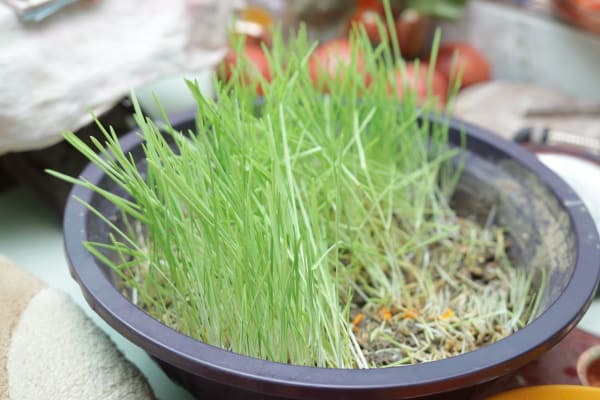
The Dashain tika is a paste called akshata: uncooked rice mixed with yoghurt and red vermilion powder. It is pressed onto the centre of the forehead in a patch the size of a large coin — much larger than the small dot of an ordinary blessing. With it comes jamara, the yellow barley shoots grown in the household's prayer room since the first day of the festival, and a blessing spoken by the person giving it.
It flows in one direction: from elder to younger. The head of the family gives it to their children, grandchildren, nieces and nephews, in order of age, and each receives a small gift of money, dakshina, with it. Then people travel to receive it again from other elders — grandparents, a mother's brother, parents-in-law — which is why the tika goes on for five days.
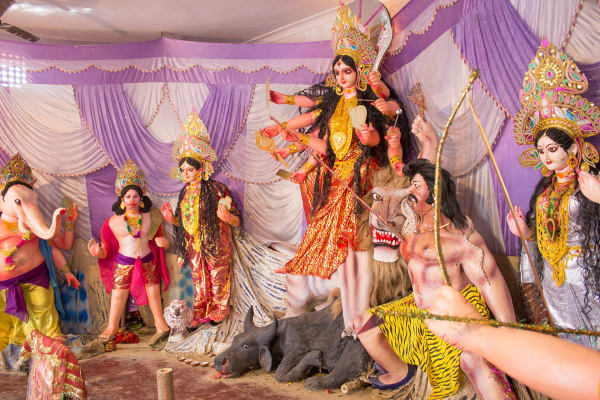
What is being handed over is the blessing of the goddess Durga, and through it the family's goodwill for the year: long life, health, success in whatever you are attempting. It is the moment the whole festival exists for.

How a Visitor Comes to Receive One
- A guide's or driver's family. The commonest route. If your trek ends near the festival, you may well be taken home.
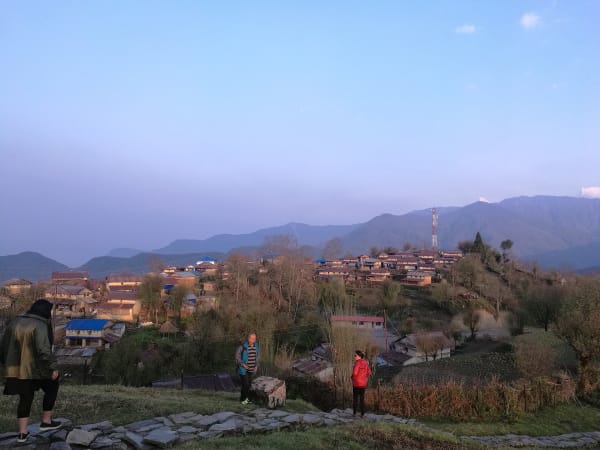
- A homestay. In community homestay villages the host family includes guests as a matter of course — see Ghalegaun and Sirubari.
- A hotel or lodge. Family-run places often give tika to guests at breakfast on the tenth day.
- On the trail. Guides give it to their crew and anyone else present — see guides and porters at Dashain.
- A temple. Priests at shrines such as Tal Barahi in Pokhara give tika to all who come.
You do not need to be Hindu, related, or known to the family for long. Being a guest is qualification enough.
What Happens, Step by Step
- You arrive and take off your shoes at the door. You will be given a seat and almost certainly tea.
- The family waits for the auspicious time, the sait, announced each year — usually late morning. Nothing starts before it.
- The eldest gives tika to the family in order of age. Younger relatives bow low, sometimes touching the elder's feet. Watch; you will be called in turn, usually after the family.
- You sit or kneel in front of the elder, lower than they are, facing them.
- They press the tika onto your forehead while reciting a blessing in Sanskrit or Nepali. Keep your head slightly bowed and still.
- They place jamara behind your ear or in your hair, and may put a garland round your neck.
- They hand you dakshina — a banknote, sometimes with fruit. Take it with your right hand, or both hands, and touch it briefly to your forehead.
- You say thank you with a namaste, palms together.
- You eat. This is not optional.
The whole thing takes a minute or two per person. In a large family the queue lasts all afternoon.
What to Wear and Bring
Dress as you would to visit someone's grandparents: clean, modest, shoulders and knees covered. Nepalis wear their best new clothes for the day, and you will not be overdressed. Avoid white, which is the colour of mourning, and all-black.
Bring a small gift for the household — fruit, a box of sweets from a sweet shop, something from your own country. Do not bring alcohol unless you know the family drinks. You are not expected to give money to the elder who blesses you; the money goes the other way.
What to Say
| Nepali | Meaning | When |
|---|---|---|
| Namaste | Hello; I greet you | On arriving and leaving, palms together |
| Dashain ko shubhakamana | Best wishes for Dashain | To anyone, throughout the festival |
| Vijaya Dashami ko shubhakamana | Best wishes for Vijaya Dashami | On the tenth day |
| Dhanyabad | Thank you | After receiving the tika |
| Mitho chha | It is delicious | During the meal — frequently |
| Pugyo | That is enough | When your plate is being refilled for the third time |
Any attempt at Nepali is met with delight. Nobody expects more than these.
The Meal Afterwards
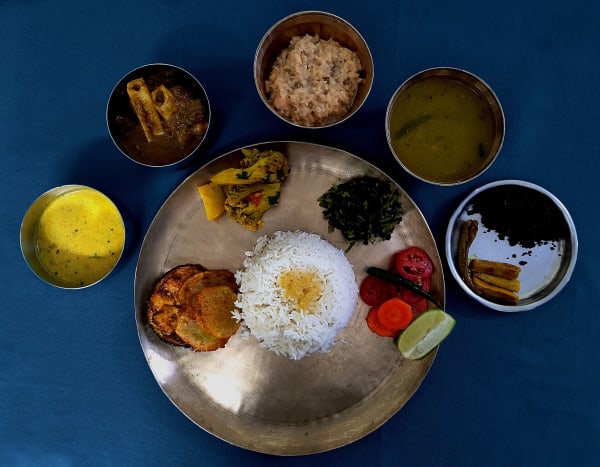
The tika is followed by food, and a great deal of it: goat curry, beaten rice, pickles, fried bread, yoghurt, sweets, and often home-made spirit. You will be served first and most. Refusing outright is impolite; eating a little of everything and saying pugyo with a hand over the plate is the accepted way to stop.
If you are vegetarian or do not drink, say so when you arrive — it causes no offence and a great deal of extra effort on your behalf. What is likely to be on the table is in our Dashain food guide.
Things to Do and Not to Do
| Do | Do not |
|---|---|
| Take your shoes off at the door | Enter the prayer room where the jamara is grown unless invited |
| Sit lower than the elder giving the tika | Offer the tika to an elder yourself — it only goes downward in age |
| Use your right hand to receive and to eat | Pass food or take money with the left hand |
| Leave the tika on for the rest of the day | Wipe it off in front of the family |
| Ask before taking photographs | Photograph the household shrine without asking |
| Accept the dakshina | Refuse it or try to hand it back |
| Eat something of everything | Touch shared dishes with a spoon you have eaten from |
| Stay a while | Leave straight after the tika; the visit is the point |
The red paste dries and flakes through the day. Wash it off in the evening. Vermilion can stain pale clothing, so lean forward when you do.
Variations You May Meet
- White tika. Some communities use plain rice and yoghurt without the red powder. It is the same blessing.
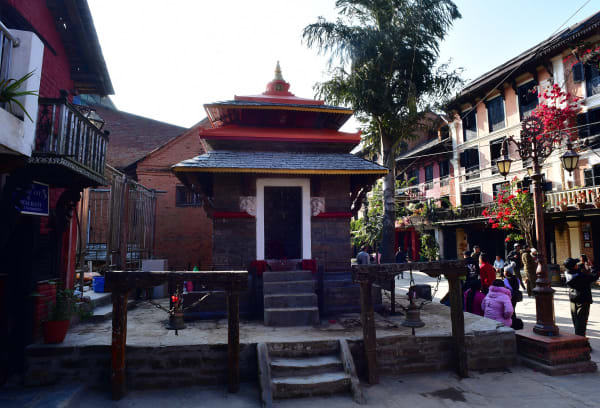
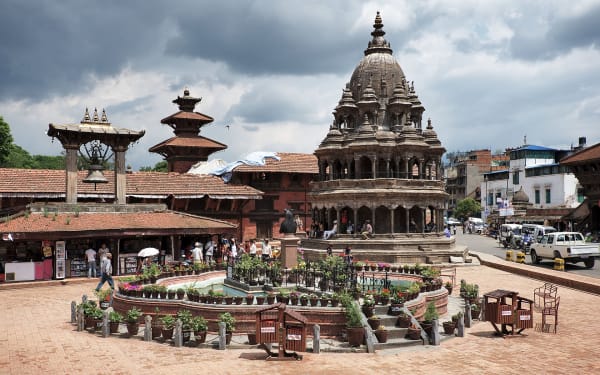
- Newar households keep the day as part of Mohani, with their own sequence and a tika that includes a black mark made from lamp soot. See Bhaktapur during Dashain.
- Families in mourning. A household that has lost a close relative during the year does not celebrate. If your host mentions it, the right response is sympathy, not persuasion.
- Buddhist households in the high valleys may not mark the day at all, or only as a holiday.
- No invitation at all. Not every family takes guests on the tenth day, which is intimate. An invitation for one of the following four days is equally meant.
Photographs
Families usually want a picture of the foreign guest with a tika and are happy for you to take your own, but ask first, and ask separately before photographing elderly relatives or the prayer room. Offer to send the pictures and then do. More on this in photographing Dashain.
Arranging It
An invitation cannot be bought, but it can be made likely. Travel with a guide and you will probably be asked. Stay in a homestay village over the tenth day and you certainly will be: our Ghalegaun and Ghanpokhara, Sirubari and Himalayan Village tours can each be dated so that the tika falls on a night in the village. Our guides to Ghalegaun and Sirubari describe the villages, and where to see Dashain celebrations sets out the other options.