Most of Dashain is hidden indoors. The swings and the kites are the part that is not. Weeks before the tika, boys are on the rooftops of Kathmandu with spools of thread, and in every hill village young men are cutting the tallest bamboo they can find. By the first day of the festival the swing is up, and it stays up until the festival season ends.
For a visitor they are the easiest part of the festival to see, to photograph and to join. This guide explains both. The festival they belong to is in our Dashain travel guide.
Leave the Ground Once a Year
There is a saying that everyone should leave the earth at least once at Dashain. The swing is how it is done. Children do it daily; grandmothers are helped onto the seat for a few gentle arcs; visiting relatives are not allowed to refuse. It is said to lift away the year's ill feeling, and whatever one makes of that, it is true that nobody gets off a swing in a bad mood.
Nepali has one word for all of them: ping.
Linge Ping: The Bamboo Swing
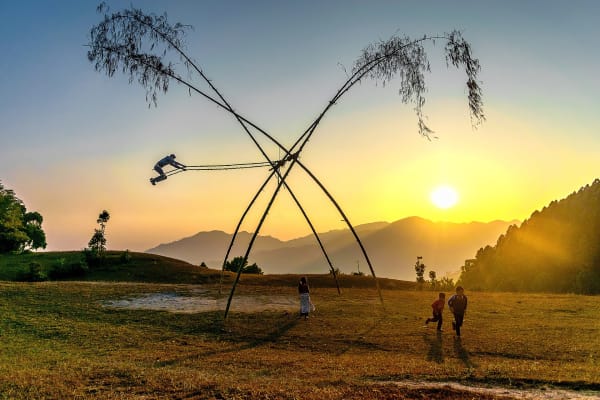
The linge ping is the tall one. Four green bamboo poles, each six metres or more, are set in the ground in two pairs and bent inward so that their tips cross, forming two arches. A crossbar is lashed between the arches, and from it hang two ropes with a wooden plank for a seat. Traditionally the rope is twisted from a tough hill grass and no nails are used anywhere; the whole structure is held by lashing and the spring of the bamboo.
It is built by the community, usually the young men, in the days around the start of the festival, on the same patch of ground every year. A small offering is made when it goes up. Because the poles flex, the swing has a long, slow arc that takes the rider far higher than a playground swing, and the confident stand on the seat, sometimes in pairs facing each other, driving it with their knees.

Rote Ping: The Wooden Wheel
The other traditional swing is a small ferris wheel made of timber: an axle on two posts, with four seats hung from arms that rotate around it. It is turned by hand, or by the riders pushing off the ground with their feet as their seat comes round. A rote ping takes a carpenter to build and is rarer than the bamboo swing, but where a village has one it runs from morning to dusk.
Small fairs gather round both: a tea stall, someone selling fried snacks, and a ring of spectators offering advice.
Where to Find Swings
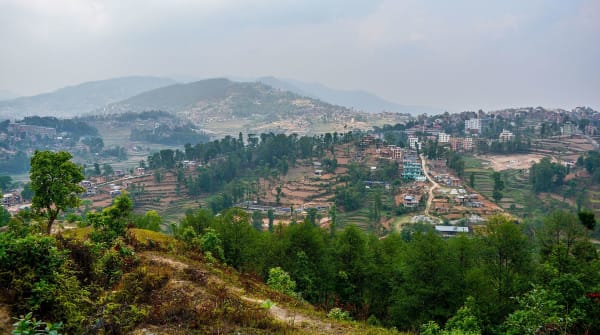
Anywhere there is a village and a flat piece of ground. In the cities they have become scarcer as open land has been built on, though neighbourhood clubs still put them up in parks and school fields. The reliable places for a visitor are these.
| Area | Where | How to get there |
|---|---|---|
| Kathmandu valley rim | Villages around Nagarkot, Changunarayan and Dhulikhel | Nagarkot sunrise tour; the Dhulikhel to Namobuddha hike passes several |
| South of Patan | Bungamati, Khokana and the farm villages beyond | Bungamati and Khokana tour |
| Above Pokhara | Sarangkot, Kaskikot, Dhampus, Astam | Sarangkot sunrise tour; see Pokhara during Dashain |
| Annapurna foothills | Ghandruk, Ulleri, Landruk — every village on the lower trails | Poon Hill trek |
| Homestay villages | Ghalegaun, Sirubari, Bandipur | Himalayan Village Tour |
| Lower Langtang and Helambu | Tamang and Hyolmo villages on the approach | Tamang Heritage Trail |
The swings stand from about the first day of Dashain until after Tihar, roughly a month, so they can be found well after the tika. In 2026 that means from 11 October to mid November.
Having a Go
You will be invited to. A few things are worth knowing first.
- Sit, do not stand, unless you have done it before. The standing technique looks easy and is not.
- Let someone push. There is always a volunteer, and they will push harder than you expect. Say when it is enough.
- Hold the ropes above shoulder height and keep hold until the swing has almost stopped.
- There is no harness, and the ground is hard. The swings are well built and tested by a whole village of children, but they are not a fairground ride.
- Wait your turn. There is a queue, even if it does not look like one.
- Keep children on your lap or on the low arcs.
Changa: The Kites
Kite flying is the Kathmandu valley's own Dashain custom. From the end of the monsoon the sky above the old cities fills each afternoon with small square paper kites, changa, flown from flat rooftops on thread wound round a wooden spool called a lattai. One explanation is that the kites carry a message to the gods that the rains have been enough. A plainer one is that October has steady wind, clear sky and no school.
The point is the fight. Two fliers bring their lines together and saw one against the other until a thread parts; the winner's rooftop shouts chet! and the losing kite drifts off across the city, chased by children at street level. The thread was traditionally coated with a paste of rice glue and powdered glass to give it an edge. That coating, and the nylon thread that has replaced it, injures birds and has cut motorcyclists, and there are regular calls to restrict it — a tradition under some pressure.
- Where to watch: any rooftop in old Kathmandu, Patan or Bhaktapur in the afternoon. Rooftop cafés around the three Durbar Squares are ideal.
- Where to buy: the lanes of Ason and Indra Chowk sell kites and spools for very little in the weeks before the festival.
- When: from mid September through the tika. Late afternoon has the best wind.
A Kathmandu day tour in the build-up to the festival passes under hundreds of them; see Kathmandu during Dashain.
Cards and Other Games
The festival's third pastime is indoors. Dashain is when Nepal plays cards — in every household, for small stakes, often through the night — and the full-moon night that closes the festival is traditionally spent awake over a game. At village fairs you may also see dice games on a painted cloth. A visitor invited to join a family game will be taught the rules and gently relieved of a few hundred rupees.
Photographing Swings and Kites
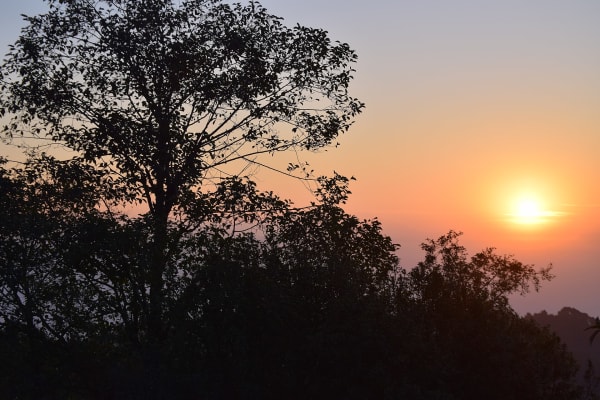
Swings are at their best in the last hour of light, when the bamboo and the rider go into silhouette against the sky — stand low and shoot upward. Kites want a long lens from a rooftop, or a wide one from below with the flier in the frame. Ask before photographing children, which in practice means asking the adults standing nearby. Our guide to photographing Dashain has more, and the Kathmandu Photography Tour can be timed for the kite season.