For a first visit to Nepal with a week to spend, this is usually the right shape of trip. Kathmandu gives the medieval half — three royal squares, two great stupas and the cremation ghats at Pashupatinath. Pokhara gives the mountains, a lake, and a slower pace to recover in.
Between them the tour crosses the country on the Prithvi Highway along the Trishuli river, with a night at Nagarkot (2,175 m) on the valley rim for the Himalayan sunrise and a dawn at Sarangkot above Pokhara for the Annapurnas.
Six nights, no trekking, and both ends of what Nepal does best.

The Tour at a Glance
| Duration | 7 days, 6 nights |
| Route | Kathmandu — Nagarkot — Pokhara — Kathmandu |
| Highest point | Nagarkot, 2,175 m |
| Difficulty | Easy — vehicle-based sightseeing with short walks |
| Best season | October to April |
| Group | Private departure, up to 16 |
| Transport | Private air-conditioned vehicle throughout |
| Price | From USD 545 per person |
We run it as a 7-day private tour, with a shorter 5-day version for tighter schedules. To add Chitwan and Lumbini, see the Best of Nepal tour.
The Itinerary
Kathmandu (days 1–2)
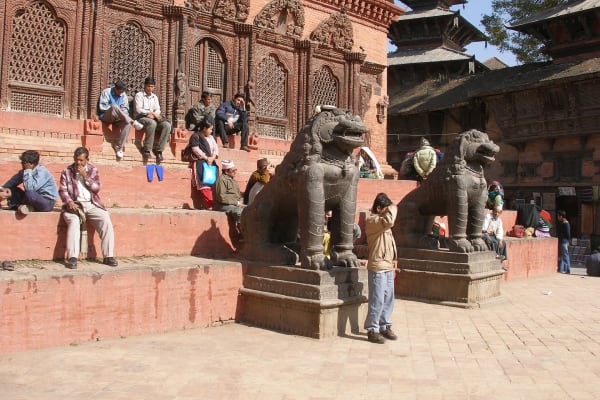
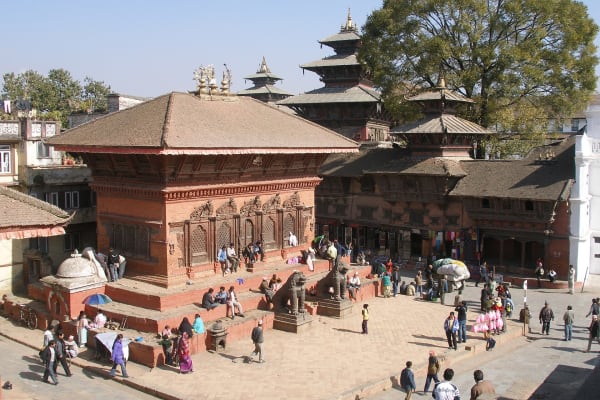
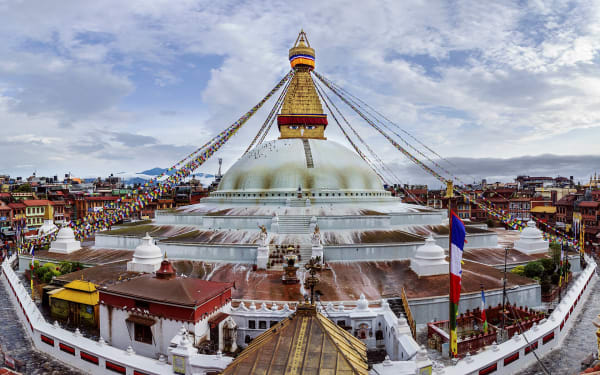
A full sightseeing day covering Swayambhunath on its hill above the city, Kathmandu Durbar Square, and Boudhanath, the largest stupa in Nepal and the centre of its Tibetan community — best in the late afternoon when the kora fills with people walking it.
Patan, Pashupatinath and Nagarkot (day 3)
Patan Durbar Square, which is the finest of the three and the least crowded, then Pashupatinath on the Bagmati — the holiest Hindu site in Nepal, with the cremation ghats viewed from the terrace across the river. Then up to Nagarkot for the night.
Nagarkot, Bhaktapur and the drive west (day 4)
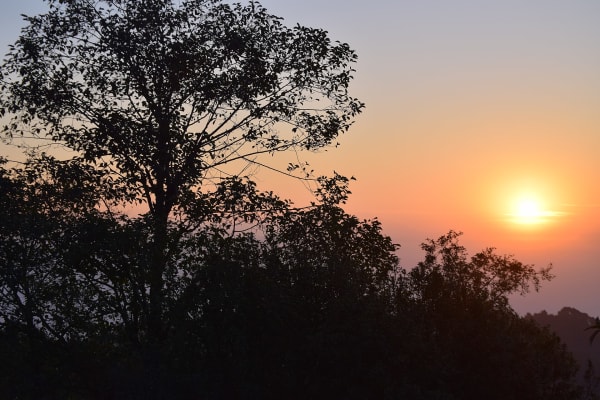
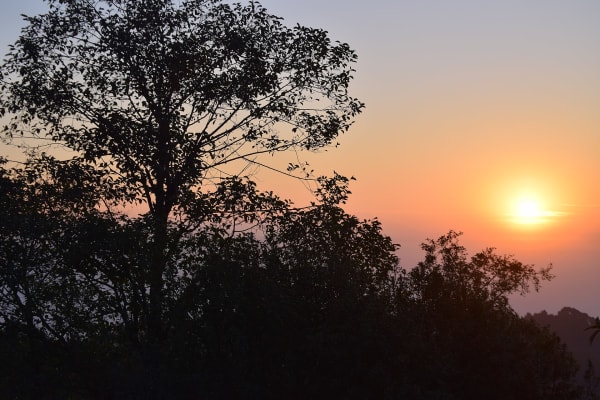
Sunrise over the Himalaya from the ridge, then down to Bhaktapur — the best-preserved of the three cities, and worth the couple of hours it gets — before the long drive west along the Trishuli to Pokhara.

Pokhara (days 5–6)
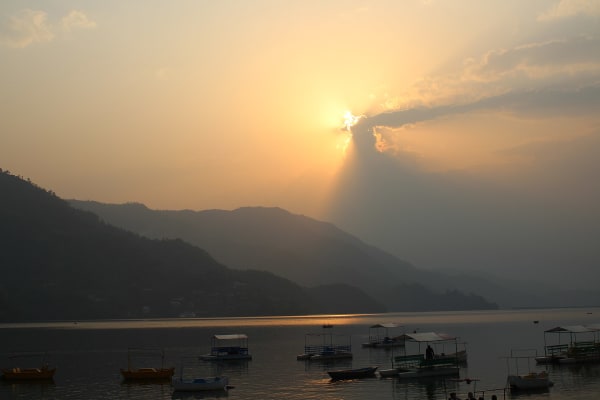
A dawn start at Sarangkot for the Annapurna range and Machhapuchhre, then the Pokhara valley: a rowing boat on Phewa Lake to the Tal Barahi temple, Davis Falls, the Gupteshwor cave, and the World Peace Pagoda. Day six is at leisure before the drive back to Kathmandu.
What It Costs
| Group size | Price per person |
|---|---|
| 1 traveller | USD 765 |
| 2 to 4 | USD 675 |
| 5 to 7 | USD 620 |
| 8 to 10 | USD 590 |
| 11 to 14 | USD 565 |
| 15 and over | USD 545 |
Monument fees in the valley add up quickly if you pay them individually — all seven UNESCO sites are covered in the price here, which is a large part of the value.
What Is Included
- Airport pickup and drop-off in Kathmandu.
- Private transportation throughout — an air-conditioned vehicle and driver reserved for your party alone, including the Kathmandu–Pokhara transfer.
- Three nights in Kathmandu, one at Nagarkot and two in Pokhara, all with breakfast.
- All monument entry fees in the Kathmandu valley and Pokhara, including the seven UNESCO sites.
- A government-licensed English-speaking guide throughout the tour.
- Rowing boat on Phewa Lake to the Tal Barahi temple.
- All government taxes and service charges.
What Is Not Included
- International flights and the Nepal entry visa fee.
- Travel insurance covering medical treatment and emergency evacuation.
- Lunch and dinner in Kathmandu and Pokhara, where the choice is better left to you.
- Monument photography fees and offerings.
- Optional adventure activities and upgrades — paragliding, the mountain flight, a zip line.
- Luxury vehicle upgrade — private transport is included as standard; the luxury vehicle is an optional add-on.
- Drinks, snacks, laundry, phone calls and souvenirs.
- Tips for the guide and driver.
- Any additional cost caused by flight delays, roadblocks, weather or other circumstances beyond our control.
Worth Adding
The week leaves room for one or two extras, and Pokhara is where they belong.
- Paragliding from Sarangkot — a 30-minute tandem flight over Phewa Lake, and the single best add-on in Nepal. See our paragliding guide.
- An Everest mountain flight from Kathmandu, an hour along the range at dawn. Covered in the mountain flights guide.
- A Kathmandu–Pokhara flight instead of the drive — 25 minutes rather than five to six hours.
- A short trek on the end. Poon Hill or Mardi Himal both start from Pokhara.
When to Go
| Season | Conditions |
|---|---|
| October to November | Clearest mountain views of the year from both Nagarkot and Sarangkot. The busiest season in the valley. |
| December to February | Cold mornings and very clear air. Valley fog occasionally spoils a Nagarkot sunrise. |
| March to April | Warm, hazier, and rhododendron in the hills. Still reliable for the viewpoints. |
| May to September | Hot and then wet. The mountain viewpoints are unreliable through the monsoon. |