Bungamati and Khokana are two Newar villages ten kilometres south of Kathmandu that function as working settlements rather than heritage sites. Neither charges an entry fee, neither has a tourist quarter, and walking between them on the old paddy-field path is one of the better hours available near the city.
Bungamati is the birthplace of Rato Machhendranath, the rain god whose annual chariot festival is the largest in the valley, and its woodcarvers supply temples across Nepal. Khokana, half a kilometre away, is the valley's mustard-oil village, still pressing seed in wooden mills.
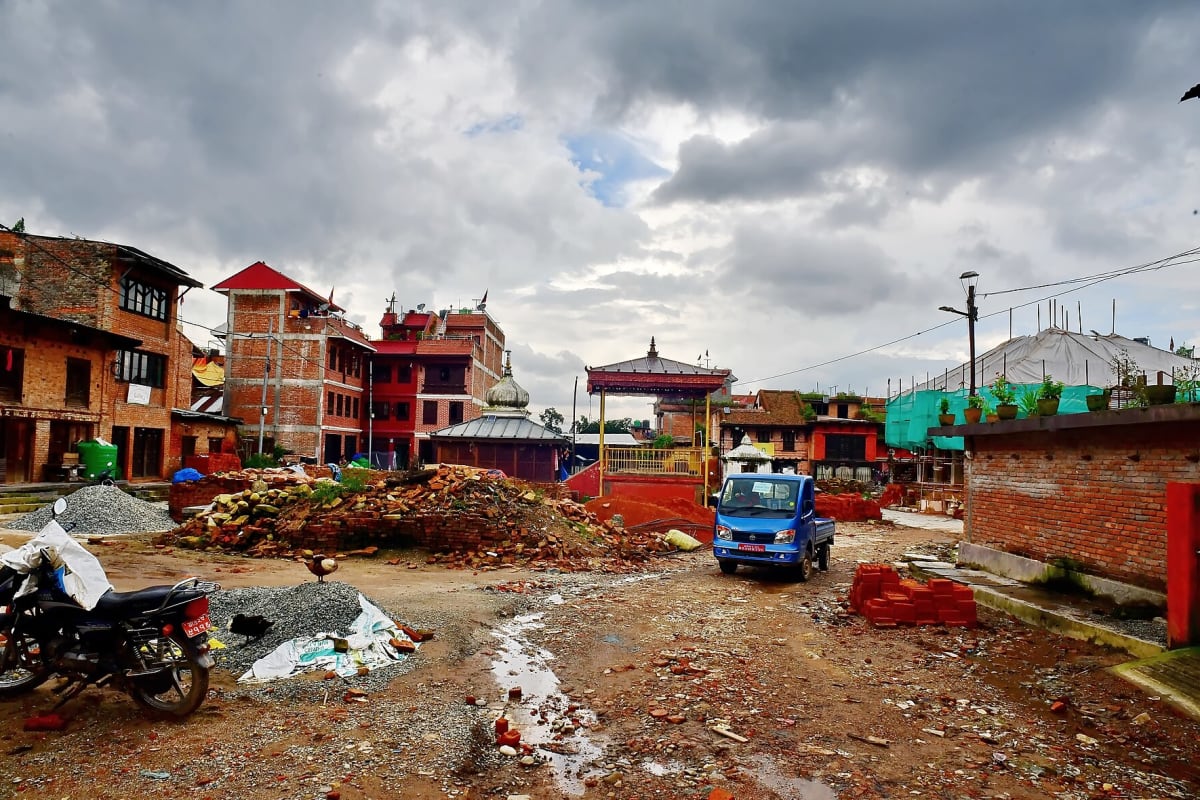
Both were badly damaged in 2015 and much of what you see is reconstruction, done by the villages themselves in traditional brick and timber.
The Tour at a Glance
| Duration | 1 day |
| Where | Bungamati and Khokana, Lalitpur — 10 km south of Kathmandu |
| Difficulty | Easy — two to four hours of walking on flagstones |
| Best season | October to March |
| Starts | Hotel pickup, normally 8 to 9 am |
| Includes | Woodcarving workshop and a working mustard oil mill |
| Group | Private departure, up to 16 |
| Price | From USD 65 per person |
We run it as a full-day private tour. It pairs well with the Patan day tour, since both are in Lalitpur, or with the Pharping and Dakshinkali tour further south.
Bungamati
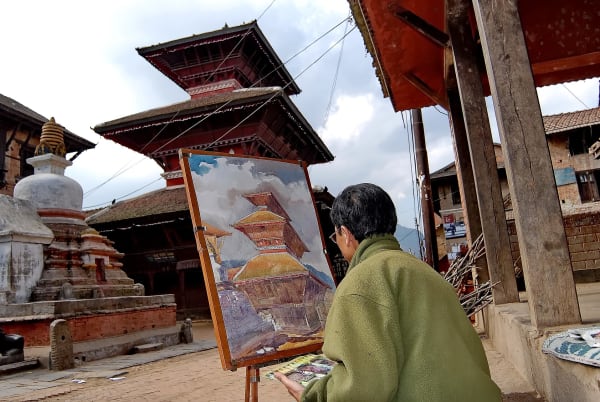
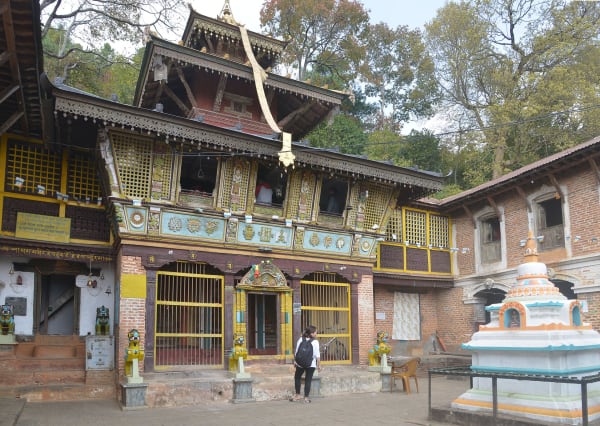
A compact Newar village built around a central square, and the winter home of Rato Machhendranath. The god spends six months here and six in Patan, and the chariot procession that moves him between the two is the longest and largest festival in the Kathmandu valley — an enormous wheeled tower hauled through the streets over weeks.
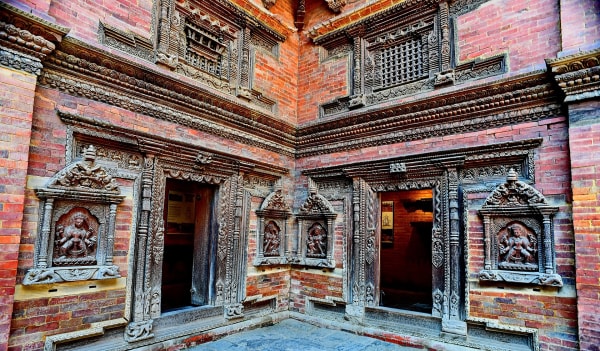
The other thing Bungamati does is woodcarving. The workshops here supply temple restoration across Nepal, and the tour visits a working one — not a showroom, but a shed with apprentices and half-finished struts.
The 2015 earthquake destroyed the main temple and a large part of the village. Reconstruction has been done by the community in traditional brick and timber rather than concrete, and your guide will explain what is original and what is not.
Khokana
Half a kilometre away, and quite different in character: a single long main street with houses opening directly onto it, and the smell of mustard oil through the whole village. Khokana still presses seed in wooden mills, and the tour visits one.
The Rudrayani temple is the village's focus, and Khokana is also notable for having been an early site of hydroelectric lighting in Nepal. There is a small museum.

Between the two villages runs the old paddy-field path, twenty minutes on foot through fields and past small shrines. It is the best part of the day and the reason to do the two together rather than separately.
What It Costs
| Group size | Price per person |
|---|---|
| 1 traveller | USD 90 |
| 2 to 4 | USD 80 |
| 5 to 7 | USD 75 |
| 8 to 10 | USD 70 |
| 11 to 14 | USD 70 |
| 15 and over | USD 65 |
Neither village charges a formal entry fee, which is unusual in the valley and part of why they still feel like villages rather than attractions.
What Is Included
- Private transportation — an air-conditioned vehicle and driver for the full day, including hotel pickup and drop-off.
- Village contributions and the Khokana museum entry.
- A government-licensed English-speaking guide for the day.
- Bottled water in the vehicle.
- A visit to a working woodcarving workshop and a mustard oil mill.
- All government taxes and service charges.
What Is Not Included
- Travel insurance covering medical treatment and emergency evacuation.
- Lunch and any meals not specified — your guide will suggest good local places.
- Offerings, donations and camera fees at individual shrines.
- Luxury vehicle upgrade — private transport is included as standard.
- Drinks, snacks, laundry, phone calls and souvenirs.
- Tips for the guide and driver.
- Any additional cost caused by roadblocks, weather or other circumstances beyond our control.
If you want to buy a woodcarving, the workshop is the right place to do it and your guide will help with the price. Pieces can be shipped.
Practicalities
- Start early. Pickup is normally between 8 and 9 am; the light and the working life of both villages are better in the morning.
- Wear shoes you can walk on flagstones in — the surfaces are uneven throughout.
- These are people's homes. Ask before photographing anyone, and stay out of courtyards unless invited.
- The itinerary is flexible. This is a private tour, so if you would rather spend an hour in a workshop than see another shrine, tell your guide.
- Time it with the festival if you can — the Rato Machhendranath chariot festival runs in April and May and is the biggest event in the valley.
See the festival calendar for dates, and the Patan guide for the other end of the Machhendranath journey.