Tiji — from Tempa Chirim, prayer for world peace — is the most important event in the Upper Mustang calendar, held over three days each spring in the main square of Lo Manthang. Monks from Chodey monastery perform masked dances telling the story of Dorje Jono, a deity who defeats a demon that has brought drought and destruction to the kingdom, and drives it out of the valley for another year.
It is not a performance staged for visitors. It is the ritual that, in the understanding of the community, makes the coming agricultural year possible, and the whole population of the region attends.
What Happens Over the Three Days
| Day | Name | What takes place |
|---|---|---|
| Day 1 | Tsa Chham | The harassment of the demon. Monks in elaborate masks and brocade perform the first cycle of dances in the square, watched from rooftops and walls. |
| Day 2 | Nga Chham | The birth of Dorje Jono as the son of the demon, and the long central sequence of dances. The longest and most intense of the three days. |
| Day 3 | Rha Chham | The demon is defeated and expelled. The ritual moves out of the square, and effigies and offerings are carried beyond the town walls and destroyed, driving evil out of Mustang for the year. |
Alongside the dances there are processions, the unfurling of a large thangka on the palace wall, long horns and drums, and on the final day a ritual archery display. The Raja's family, the monastic community, and villagers from across Lo attend in their best clothes, which for many women means heavy turquoise and coral jewellery brought out once a year.
When It Falls
Tiji follows the Tibetan lunar calendar, so the Gregorian dates move each year. It usually falls in May, occasionally late April, and the exact dates are set and announced by the monastery some months in advance.
- Confirm before booking flights. We get the dates as soon as they are published and will tell you; do not assume a fixed week.
- Book early. Lo Manthang has a limited number of lodge beds and they fill months ahead for Tiji. This is the one period where accommodation in Upper Mustang is genuinely scarce.
- Allow buffer days. You need to be in Lo Manthang for all three days, which means arriving a day early — and the flight to Jomsom is weather-dependent.
- Plan around the permit. Your restricted-area permit is dated; we set it to cover the festival plus the walking days on either side.
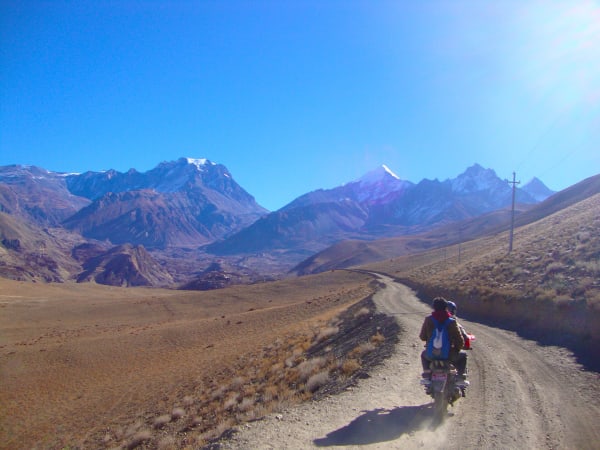
A 16-day Upper Mustang trek built around Tiji typically spends four nights in Lo Manthang — one settling in, three for the festival — and walks in and out through the valley either side.
Attending Respectfully
Visitors are welcome and have been for three decades, and the number attending has grown. A few things keep it comfortable for everyone:
- Sit or stand where you are directed. The square has designated areas, and the space immediately around the dancers is not one of them.
- Do not block the view of local people, particularly older people on the low walls. Rooftops are often the best position and local families will sometimes invite you up.
- Photography is permitted in the square, but do not use flash, do not step into the dance space for a shot, and do not photograph the Raja's family without asking.
- Dress modestly. Shoulders and knees covered. People around you are in their best clothes.
- Stay for the whole sequence rather than drifting in for the spectacular bits. The dances are long and deliberately so.
- Do not bring drones. They are intrusive and in practice not welcome.
- Leave a donation at Chodey monastery, which bears the cost of the festival.
A guide who has been before makes a substantial difference here — knowing what is happening in each dance cycle turns three days of unfamiliar ritual into something you can follow.
Other Festivals Worth Timing a Trek Around
| Festival | Where | When | Trek |
|---|---|---|---|
| Tiji | Lo Manthang, Upper Mustang | Usually May | Upper Mustang Trek |
| Mani Rimdu | Tengboche, Khumbu | Late Oct or Nov | Everest Base Camp |
| Janai Purnima | Gosaikunda, Langtang | August | Gosaikunda Lake Trek |
| Yartung | Muktinath, Mustang | August | Jomsom Muktinath Trek |
| Losar | Tibetan-Buddhist regions | February | Tsum Valley, Khumbu, Mustang |
| Dashain and Tihar | Nationwide | Sep–Nov | Any autumn trek |
Our festival calendar lists the full year, and the Tengboche guide covers Mani Rimdu, which is the Khumbu equivalent of Tiji in importance.
What else is happening in Lo Manthang that week
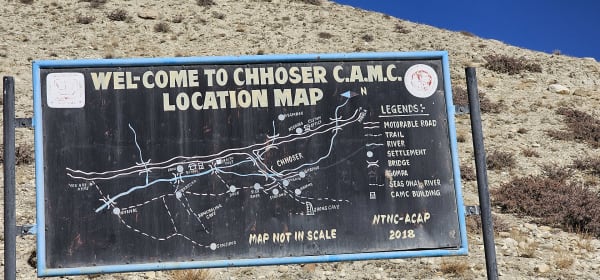
Tiji pulls the whole region into town, which makes the days around the dances as interesting as the dances themselves. Families arrive from Chhoser, Garphu and Dhi, trade happens in the square, and the lodges and tea houses fill with people who normally live a day's walk apart. If you are there for the festival, build in time to simply sit in the square and watch the town work.
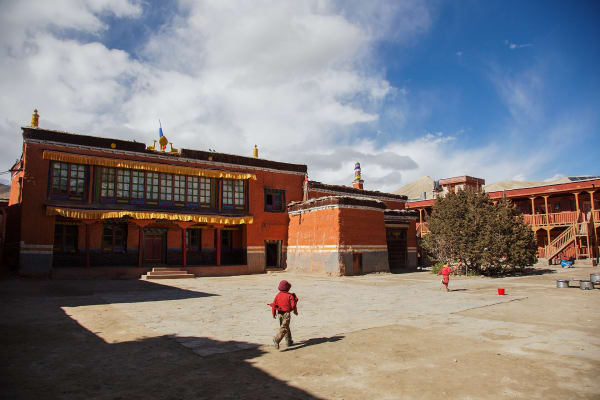
It is also the best week of the year to see inside the monasteries. Jampa Lhakhang, Thubchen and Chodey are all active during the festival period, with monks moving between them, and the restored 15th-century murals in Thubchen are lit by butter lamps rather than electric light. Ask your guide to arrange a visit on a morning when the dances start late.