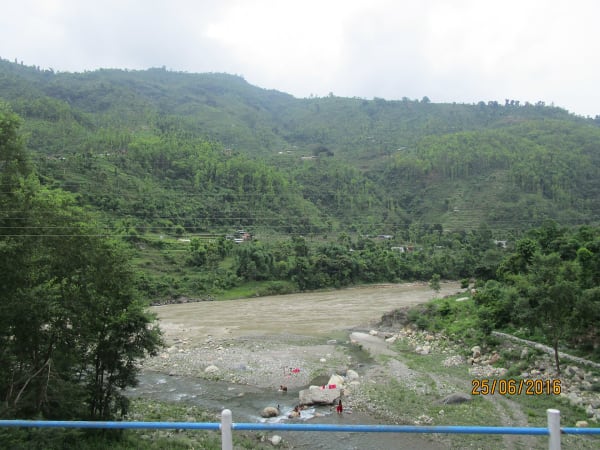
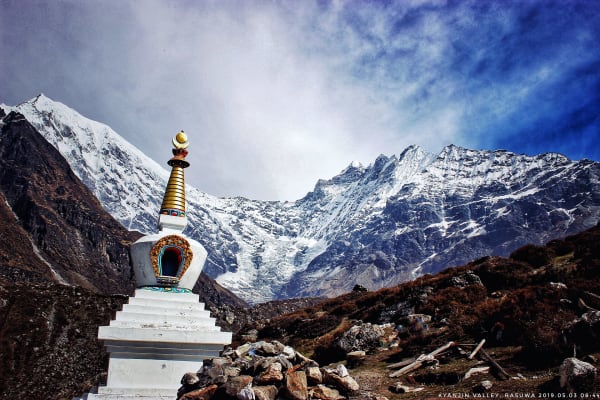
The Tamang Heritage Trail runs through the hills west of the Langtang valley, close to the Tibetan border, and it is a cultural trek rather than a high-altitude one. It was developed in the mid-2000s specifically to spread trekking income into villages the main Langtang trail bypassed, and it works: you stay in homestays and small village lodges, and almost nobody else is walking it.
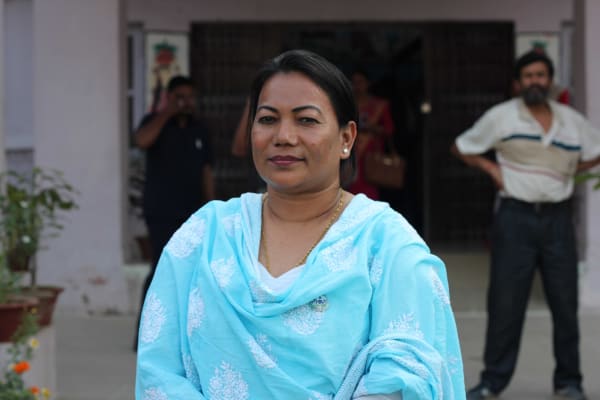
The Tamang are one of Nepal's largest ethnic groups, Tibetan-Buddhist in religion and Tibeto-Burman in language, and the villages on this trail — Gatlang, Tatopani, Thuman, Briddim — are among the least altered in the country.
The Trek at a Glance
| Duration | 13 days from Kathmandu, usually combined with the Langtang valley |
| Highest point | Nagthali ridge, about 3,870 m |
| Difficulty | Moderate — ridge and village walking, low altitude |
| Access | Road from Kathmandu to Syabrubesi, 7–8 hours |
| Permits | Langtang National Park entry and trekking registration |
| Best seasons | March to May, October to December; also viable in winter |
| Accommodation | Village homestays and small lodges |
We run it as a 13-day trek that combines the heritage villages with the Langtang valley itself, which is how it works best — culture first, then the high valley.
The Route and the Villages
Gatlang (2,240 m)
A large, old Tamang village on a hillside of terraced fields, with a Tamang monastery, a sacred lake at Parvati Kunda just above, and stone houses with carved wooden windows. It is the showpiece of the trail and the usual first night.
Tatopani (2,607 m)
Literally hot water — natural hot springs emerging at the roadside, channelled into stone pools. After a long first day this is the best argument for the trail. The springs are used by villagers and pilgrims as well as trekkers.
Nagthali (3,165 m) and the ridge
A climb to a high meadow and old monastery site on a ridge at around 3,165 m, with the option of continuing to a viewpoint near 3,870 m. The view north takes in Langtang Lirung, Ganesh Himal, Sanjen, and the peaks inside Tibet — you are only a few kilometres from the border, and the Kyirong valley is visible beyond.
Thuman and Briddim
Thuman is a Tamang village with a strong tradition of dance and music, and homestays where you will likely be fed more than you can eat. Briddim is a Tibetan-influenced village of around forty houses arranged in a circle, with a community homestay scheme that rotates guests between households — which is the most direct form of trekking income distribution in Nepal.
On into Langtang
From Briddim the trail drops to Syabrubesi and joins the Langtang valley route, so the combined trek continues up the gorge to Kyanjin Gompa. See our Langtang valley guide for that half.
What Makes It Worth Doing
- Homestays rather than lodges. You sleep in family houses, eat what the household eats, and the money goes directly to them.
- Low altitude. Nothing above about 3,870 m, and most nights between 2,200 m and 2,600 m. No altitude risk at all.
- Warm. It works in winter, and it is pleasant in the shoulder months when higher trails are cold.
- Hot springs. Genuinely good ones, at Tatopani.
- The Tibet border. The ridge views north are unusual — most Nepali treks look at the Himalaya, this one looks over it.
- Almost empty. Even by Langtang standards, this trail sees very few trekkers.
- It pairs perfectly with the Langtang valley, giving culture and altitude in one trip.
What it does not offer: big mountain drama. The peaks are there but distant, and there is no base camp, glacier, or high pass. If you want those, do the valley or Gosaikunda and treat the heritage trail as the first week.
Earthquake Recovery and Homestay Etiquette
The Rasuwa district was among the hardest hit by the 2015 earthquake, and Gatlang, Thuman and Briddim all lost houses. Rebuilding has happened and the homestay network is running again, and in several villages the new houses are visibly newer than their neighbours.
Staying in a homestay is not the same as staying in a lodge, and a few things help:
- Take your shoes off at the door, and do not step over the threshold of a kitchen hearth.
- Eat what is offered, and accept the second helping — refusing food is read as a complaint.
- Ask before photographing inside a house or a gompa.
- Bring a sleeping bag. Bedding is provided but thin, and rooms are unheated.
- Expect a shared toilet outside, and often no shower.
- Pay through your guide at the agreed rate rather than negotiating at the door, which protects both sides.
- If you want to give something, school supplies to the village school are better than gifts to individual households.
Our responsible trekking guide covers the wider picture, and the earthquake recovery guide covers what happened here in 2015.