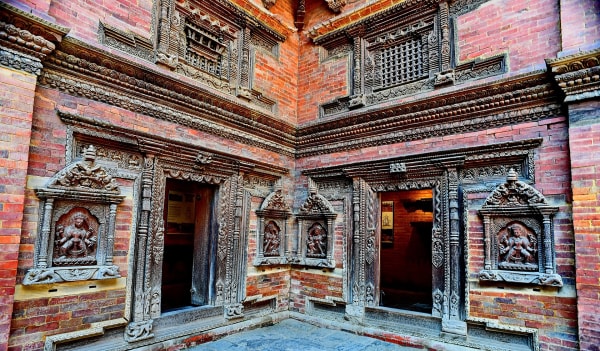
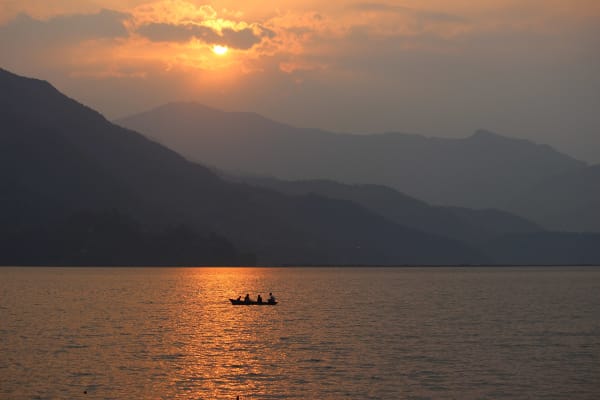
Walk through Thamel or along Pokhara's lakeside and you will hear them before you see them: a low, sustained hum from a shop doorway, as someone circles a wooden mallet around the rim of a metal bowl. Singing bowls are everywhere in Nepal, and sound healing sessions built around them are offered on almost every street trekkers frequent.
There is a lot of extravagant marketing attached. Leave that aside and what remains is simple and genuinely pleasant: forty-five minutes lying on a mat while layered tones wash over you. After two weeks of effort, it may be the only meditation you have the energy for — and that is exactly why it suits the day after a trek.
What a Singing Bowl Session Is
A singing bowl is a metal bowl, traditionally a bronze alloy, that produces a sustained ringing tone when struck or when a mallet is drawn around its rim. Different sizes give different pitches: small bowls ring high and bright; large ones produce a deep tone you can feel in your chest.
- You lie on a mat on your back, with a pillow under your knees and a blanket over you. Shoes off, eyes closed.
- The practitioner begins with a few minutes of guided breathing to settle you.
- Bowls of different sizes are struck and sung in sequence around you — some near your head, some at your feet, some passed slowly over the body.
- In some sessions bowls are placed directly on the body — on the belly, chest or back — and struck gently so the vibration is felt as well as heard.
- Other instruments may be added: a gong, small cymbals called tingsha, chimes.
- The sound tapers into silence. You lie still for a few minutes before sitting up.
Most people drift somewhere between waking and sleep, and many fall asleep outright. That is fine. There is nothing you are supposed to do.
What the Evidence Says
Be sceptical of large claims. You will be told that bowls tune your chakras, realign your cells, detoxify organs or cure illness. None of that is supported by evidence.
What small studies do suggest is more modest and entirely plausible: after a singing bowl session, people report less tension, anxiety and low mood, and some studies have measured small reductions in heart rate and blood pressure. The research is limited — small groups, few controls — and the effect is probably similar to other forms of deep relaxation. That is still worth having.
| Claim you may hear | Reasonable view |
|---|---|
| Reduces stress and tension | Plausible and supported by small studies |
| Helps you relax and sleep | Very likely — most people nearly fall asleep |
| Eases sore muscles | Indirectly, through relaxation; massage is more effective |
| Balances chakras or energy | A traditional framework, not a measurable effect |
| Cures disease or detoxifies the body | No. Treat this as a warning sign about the practitioner |
| Bowls are made of seven sacred metals | Marketing. Most are a bronze of copper and tin |
Think of it as guided relaxation with a soundtrack, done in the country most associated with it. Enjoy it for what it is.
Why It Works Well After a Trek
- It asks nothing of you. Sitting meditation takes effort and an upright back. After a trek you have neither to spare.
- It is physically passive. You lie down, warm and still, which is what your legs have been asking for.
- It quietens a busy head. The sound gives attention something to rest on without any technique to remember.
- It marks an ending. A deliberate hour of stillness draws a line between the trek and whatever comes next.
- It works for everyone in a group, including the people who rolled their eyes at the idea of meditation.
The best time is the second day down, after a night's sleep and a proper meal, ideally following a restorative yoga session. On the first day you will simply sleep through it. See post-trek meditation and recovery for how it fits into the first three days.

Types of Session
| Type | What happens | Length | Best for |
|---|---|---|---|
| Group sound bath | Several people lie in a room while a practitioner plays bowls and gongs | 45 to 60 minutes | A trekking group; a first experience |
| Private session | One-to-one; bowls placed on and around the body | 60 minutes | Deep relaxation; specific tension |
| Sound with yoga nidra | Guided relaxation with bowls in the background | 45 minutes | Poor sleepers; mental fatigue |
| Sound with massage | Bodywork followed by bowls | 90 minutes | Sore, tired bodies |
| Playing workshop | You learn to strike and sing a bowl yourself | One to two hours | Anyone planning to buy one |
A private session with bowls on the body is the strongest experience; a group bath is the easiest to arrange for several people at once. Either can be combined with the restorative sequence in our guide to yoga for trekkers.
Who Should Be Careful
Sound sessions are gentle, but they are not right for everyone in every form. Tell the practitioner beforehand if any of these apply, and ask for bowls to be played around you rather than placed on the body.
- Pregnancy. Avoid bowls on the body, particularly the abdomen, and check with your doctor first.
- A pacemaker or other implanted device. Do not have bowls placed on the chest.
- Epilepsy. Rhythmic sound can occasionally be a trigger; take medical advice.
- Metal implants, recent surgery or fractures. Keep bowls off the affected area.
- Tinnitus or sound sensitivity. Ask for a quieter session without gongs, and sit further from the instruments.
- Serious mental health conditions. Deep relaxation can occasionally bring up difficult feelings; go gently and tell the practitioner.
A responsible practitioner will ask about these before starting. If nobody asks, say so yourself.
Buying a Singing Bowl in Nepal
Bowls make a good souvenir, and Nepal is the place to buy one — the metalworking families of Patan in the Kathmandu Valley have been casting and hammering bronze for centuries. They are also sold with more tall stories than almost anything else in Thamel.
- Hand-hammered or machine-made. Hand-hammered bowls show small, irregular hammer marks and have a richer, more complex tone with several overtones. Machine-made bowls are smooth, even and cheaper, with a simpler, purer note. Neither is fake; they are different products at different prices.
- Listen, do not look. Strike it gently and count how long the note sustains. Then sing the rim. A good bowl rings long and steady without a rattle or buzz.
- Ignore the seven-metals story. Most bowls are bronze. The claim adds to the price, not to the sound.
- Be wary of antique claims. Genuinely old bowls exist but are rare, and artificially aged ones are common. Nepal also restricts the export of objects more than 100 years old, which need clearance from the Department of Archaeology.
- Buy by weight and sound. Many shops price by weight. Bargain politely; the first price is a starting point.
- Get the right mallet. A suede-covered mallet sings more easily than bare wood. Ask for a cushion ring too.
- Think about your luggage. A large bowl can weigh two or three kilograms. A hand-sized one of 500 to 800 g is easier to carry and easier to play.
Patan's metalworking streets are the most interesting place to buy, and you can watch bowls and statues being made — see our Patan day tour. Buy after the trek, not before, unless you want to carry it to base camp.
We Provide This Service: Post-Trek Sound Healing Sessions
Green Compass Treks arranges singing bowl sound sessions as part of our pre- and post-trek meditation service. We book them with practitioners we know and trust — people who run a calm, professional session and do not promise to cure anything.
- Private or group sessions in Pokhara or Kathmandu, timed for the day after you come down.
- Combined with restorative yoga, guided meditation or massage for a full recovery afternoon.
- A pre-trek session for those who want to arrive on the trail calm rather than jet-lagged.
- Help choosing a bowl if you want to buy one, from a workshop rather than a tourist stall.
It can be added to any trek we run, from a short walk to Poon Hill to a long circuit of Annapurna. Let us know when you book, or tell your guide during the trek, and we will arrange it for the day you return. Contact us to add a session to your itinerary.