The stretch from the second week of October to the end of November is the most crowded page in Nepal's calendar. The monsoon is over, the air is at its clearest, and the country's two biggest festivals fall inside it with two more close behind. In 2026 they arrive late — Dashain in the second half of October, Tihar in the second week of November — so the festival season and the trekking season sit exactly on top of each other.
That is good news for a visitor, provided you know the dates. Each festival adds something you cannot see at any other time of year, and each one closes something you may be relying on. This is the calendar, with what to do about it.
The Calendar at a Glance
| Date (2026) | What | Where it matters |
|---|---|---|
| 11 October | Ghatasthapana — Dashain begins | Nationwide |
| 17 – 20 October | Phulpati, Maha Ashtami, Maha Navami | Kathmandu valley, Gorkha; offices shut |
| 21 October | Vijaya Dashami — the Dashain tika | Every household; cities at their quietest |
| 25 October | Kojagrat Purnima — Dashain ends | Nationwide |
| 26 – 28 October | Mani Rimdu | Tengboche monastery, on the Everest Base Camp trail |
| 7 November | Kaag Tihar — Tihar begins | Nationwide |
| 8 November | Kukur Tihar and Laxmi Puja | Best in Kathmandu, Patan, Bhaktapur and Pokhara |
| 10 November | Mha Puja and Nepal Sambat New Year 1147 | The Newar towns of the Kathmandu valley |
| 11 November | Bhai Tika — Tihar ends | Every household |
| 13 – 16 November | Chhath | Janakpur and the Terai; ponds and riverbanks in Kathmandu |
| 20 November | Haribodhini Ekadashi | Budhanilkantha and Changu Narayan |
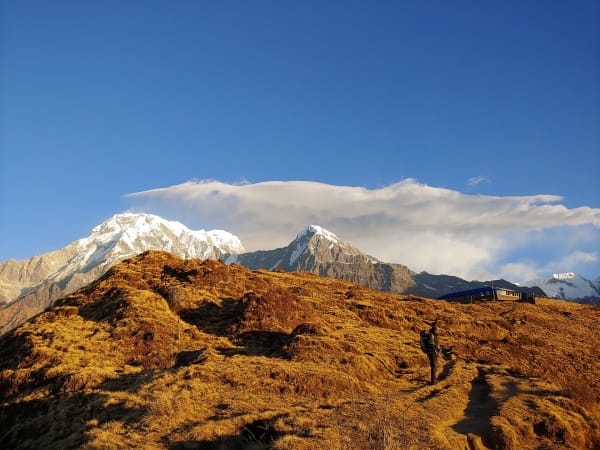
Around all of it runs the autumn trekking season. Skies are reliably clear from about the second week of October until early December, and the high passes are normally open throughout. Our guide to Nepal's trekking seasons explains why this window is the one most people choose.
Dashain: 11 to 25 October
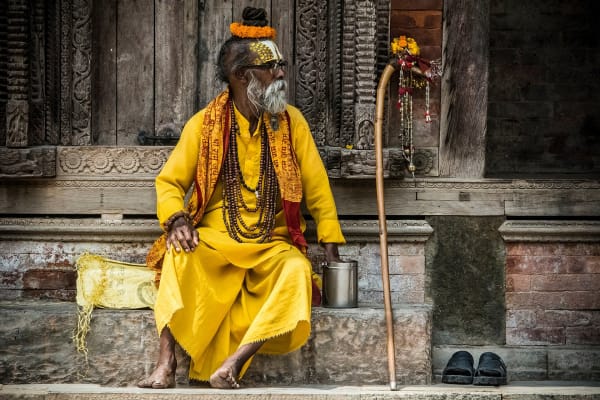
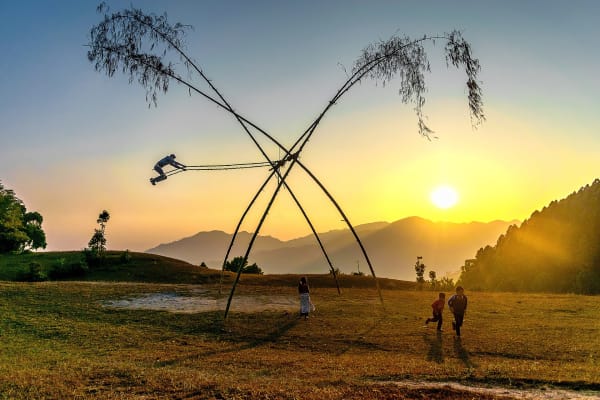
Dashain is the big one — fifteen days in which Nepal goes home. Bamboo swings stand at the edge of every village, kites fill the sky above Kathmandu, and on the tenth day, Wednesday 21 October, elders press a red tika onto the foreheads of everyone younger. For a visitor the practical effect is concentrated in about six days, from Phulpati on the 17th to a couple of days after the tika: government offices and banks close, long-distance buses are full, and the capital empties.
None of that stops a trek. Lodges stay open on every main route and October is the best walking month of the year. What it punishes is paperwork left to the last minute, especially restricted-area permits. Everything is covered in our Dashain travel guide, with the day-by-day closures in the Dashain dates calendar and the trail-side picture in trekking during Dashain.
Mani Rimdu: 26 to 28 October
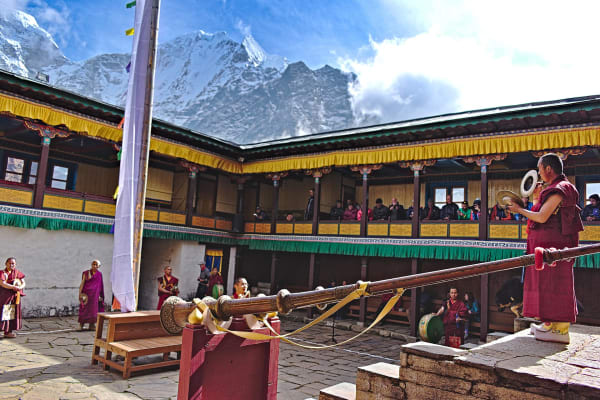
The day after Dashain ends, the most important festival of the Sherpa year begins at Tengboche monastery, at 3,867 metres on the main trail to Everest Base Camp. Monks who have spent more than two weeks in closed ritual open the courtyard for three days: a public blessing, a full day of masked dances, and a fire ceremony to close.
It is the one festival in Nepal you have to walk to, and the walk is four days from the airstrip at Lukla. Anyone starting the Everest Base Camp trek between about 20 and 23 October can be in the courtyard for the dances with a normal acclimatisation schedule. The timing, the lodges and the etiquette are in our Mani Rimdu guide.
The Quiet Fortnight: 22 October to 6 November
Between the Dashain tika and the first day of Tihar there are sixteen days with no major holiday in them. Offices reopen, permit desks work normally, buses run to timetable, and the weather is as good as it gets. If you have a free choice of dates and no wish to plan around a festival, this is the window to aim at — and in 2026 it lands in exactly the weeks most guidebooks recommend anyway.
It is also the busiest fortnight on the popular trails, because everyone else has made the same calculation. We look at how to use it in between Dashain and Tihar, and at how to find space on the trail in avoiding the crowds in peak season.
Tihar: 7 to 11 November
Tihar is the festival of lights, and for many visitors it is the better of the two to witness, because so much of it happens in the street. Over five days Nepalis honour the crow, the dog, the cow and the ox, light every doorway with oil lamps for the goddess Laxmi, and finish with Bhai Tika, when sisters bless their brothers with a tika of seven colours.
- Sunday 8 November is the day to be in a city. In the morning dogs across the country wear marigold garlands for Kukur Tihar; after dark the lamps go on for Laxmi Puja and groups of girls go door to door singing bhailo.
- Tuesday 10 November is New Year's Day in the Nepal Sambat calendar, marked by the Newar community with Mha Puja and with processions through Kathmandu, Patan and Bhaktapur.
- Wednesday 11 November, Bhai Tika, is a family day. Shops shut and the streets are quiet until evening.
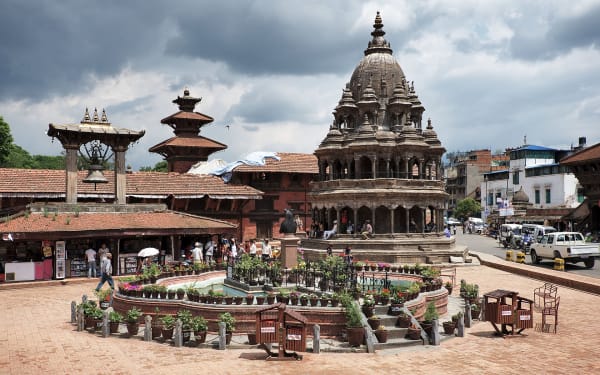
Tihar closes far less than Dashain: three to five days of office holidays rather than a week or more, and the tourist districts barely pause. The full picture is in our Tihar travel guide, and the two festivals are compared in Dashain vs Tihar.

Chhath: 13 to 16 November
Two days after Tihar ends, the plains of southern Nepal turn to the sun. Chhath is the great festival of the Mithila region: four days of fasting that end with thousands of people standing in ponds and rivers to make offerings to the setting sun on Sunday 15 November and to the rising sun the next morning.
The place to see it is Janakpur, where the ponds around the Janaki temple are ringed with lamps and sugarcane. It is also observed in Kathmandu, at ponds and along the Bagmati. Our Chhath guide covers both, and how to fit Janakpur into a trip.
What Closes, and When
| Dashain | Tihar | Chhath | |
|---|---|---|---|
| Government offices | Closed roughly 17 – 25 October | Closed around 8 – 11 November | One public holiday, 15 November |
| Banks | Closed on the main days; ATMs run low | Closed two to four days | Normal apart from the holiday |
| Restricted-area permits | Not issued while offices are shut | A short pause | No effect |
| Long-distance buses | Packed before the tika and after it | Busy before Bhai Tika | Busy in the Terai only |
| Tourist shops and restaurants | Mostly open in Thamel and Lakeside | Open, apart from Bhai Tika morning | Open |
| Trekking lodges | Open | Open | Open |
The pattern to plan around is simple. Arrange anything that needs a government stamp before Phulpati or in the quiet fortnight, carry enough cash to cover a four-day bank holiday, and book domestic flights as soon as your dates are fixed. Our guide to trekking permits explains which routes need an office and which do not.
How to Build a Trip Around It
With two or three weeks, the season almost arranges itself. A few shapes that work in 2026:
- Tika, then trek. Arrive around 19 October, see the Dashain tika in Kathmandu on the 21st, and fly to Lukla the next day for Mani Rimdu and Everest Base Camp.
- Trek, then lights. Start a two-week trek in the last week of October and walk out in time for Kukur Tihar and Laxmi Puja on 8 November. The Annapurna Base Camp trek and the Langtang Valley trek both fit.
- Culture only. A week in the Kathmandu valley over Tihar, with a Kathmandu Valley Tour built around Laxmi Puja and the Nepal Sambat processions, then two days in Janakpur for Chhath.
- After it all. Arrive around 12 November for late-autumn trekking with emptier trails. See trekking in Nepal in November.
If you would like dates checked against a particular route, tell us when you land and how long you have. We plan around these festivals every year, and most of our guides are happiest when a trek ends a day before their own family's tika.