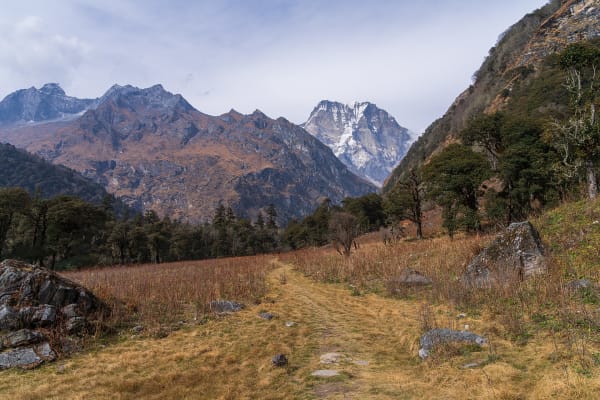
Kanjirowa (6,883 m) is the highest peak of the Kanjiroba Himal, the range that separates Dolpo from the rest of Nepal, and it is one of the least-climbed significant summits in the country.
The main summit was first reached in 1970 by a Japanese team, and successful ascents since can be counted on one hand — the mountain is remote, the weather is unpredictable, and there has never been much traffic to establish a known line.
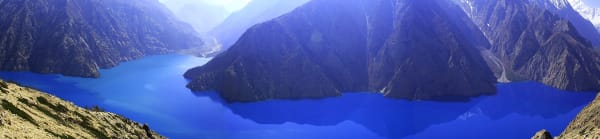
The approach runs through Shey Phoksundo National Park past Phoksundo Lake, the deepest lake in Nepal and one of the most photographed places in the country that almost nobody actually visits. Beyond it there is nothing: no lodges, no villages and no other party. The route is graded D — a crevassed glacier, sustained ice and a long corniced ridge — and every metre of it is fixed by your own team.

The Expedition at a Glance
| Summit | 6,883 m |
| Grade | D — crevassed glacier, sustained ice, long corniced ridge |
| Duration | 28 days Kathmandu to Kathmandu |
| Camps | Base camp 4,800 m, Camp 1 5,500 m, Camp 2 6,100 m, high camp 6,450 m |
| Approach | Two flights, then six days on foot from Juphal |
| Ascents since 1970 | Countable on one hand |
| Fixed rope from other teams | None — your team fixes everything |
| Price | From USD 17,500 per person |
We run it as a 28-day expedition. The Shey Phoksundo trek covers the approach as far as the lake, and Upper Dolpo goes beyond it on foot.
The Approach: Dolpo and Phoksundo
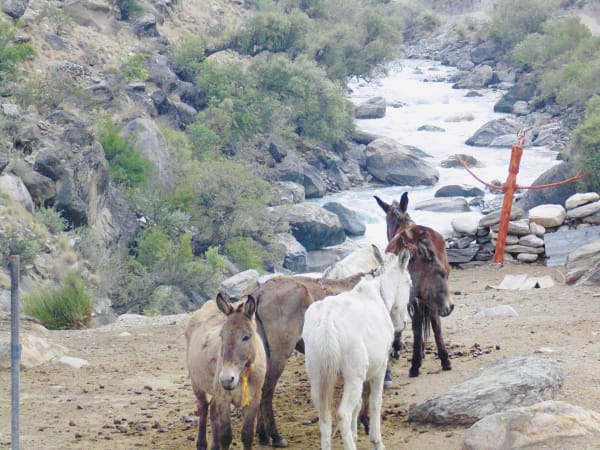
Fly Kathmandu to Nepalgunj, then to Juphal (2,475 m), and walk: Dunai, Chhepka, and up to Ringmo (3,660 m) beside the lake.
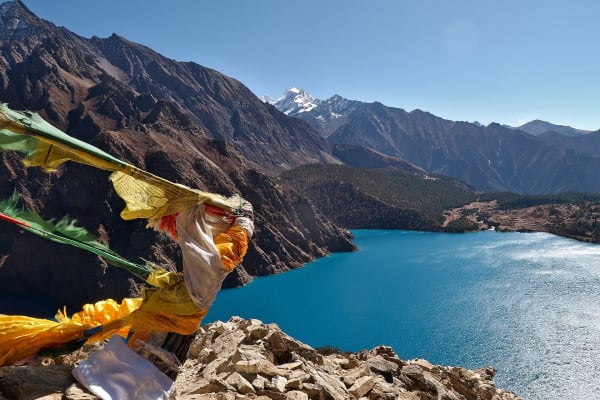
Phoksundo is the deepest lake in Nepal at around 145 m, a turquoise sheet at 3,600 m with a waterfall of nearly 170 m at its outflow. It is one of the most photographed places in the country and one of the least visited.
The traversing trail cut into the cliff above the water is the well-known section — narrow and exposed, straightforward in dry conditions and genuinely hazardous after rain or snow. Your guide makes the call on timing.
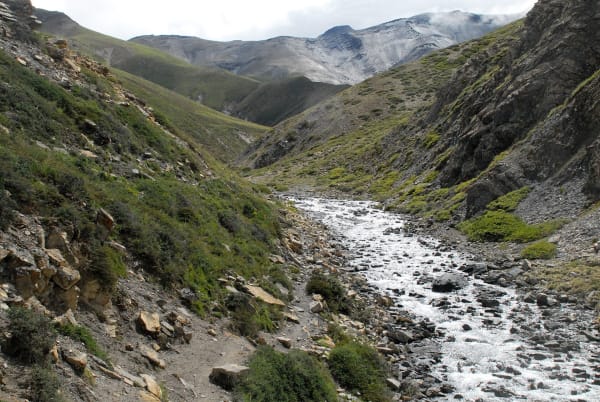
Beyond the lake: the upper valley at 4,000 m, an approach camp at 4,400 m, and base camp at 4,800 m. Six days from the airstrip, with no signal beyond Ringmo, no resupply, no lodge and no other expedition.

The Climb
A puja, a technical assessment and training day, an acclimatisation day, and a full rotation to Camp 1 (5,500 m) and back. Then the summit push through Camp 1, Camp 2 (6,100 m) and a high camp at 6,450 m.
There is no trodden line, no established camps and no fixed rope from anyone else. Every expedition on this mountain starts from nothing, and the Sherpa team fixes progressively as the group moves up.
The summit success rate is impossible to quote meaningfully given how few attempts there are, and it is low. Weather, conditions on the ridge and the sheer length of the summit day all contribute.
Snow Leopards and the Park
Shey Phoksundo has one of the better snow leopard populations in Nepal and researchers have collared animals in the park. Actually seeing one is a matter of considerable luck, and most people who spend a month there do not.
What you are more likely to see is blue sheep — their main prey, and common on the slopes above the lake — along with Himalayan tahr, lammergeier and griffon. Bring binoculars; base camp days are long.
What It Costs
| Group size | Price per person |
|---|---|
| 1 climber | USD 21,350 |
| 2 to 4 | USD 19,770 |
| 5 to 7 | USD 18,730 |
| 8 to 10 | USD 18,200 |
| 11 to 14 | USD 17,760 |
| 15 and over | USD 17,500 |
What Is Included
- Airport transfers, a briefing, permits, a Ministry briefing and cargo dispatch in Kathmandu.
- Kathmandu–Nepalgunj–Juphal return flights.
- Hotel accommodation in Kathmandu and Nepalgunj with breakfast, and lodges where they exist on the lower approach.
- Full camping support beyond Ringmo, with base camp (4,800 m), Camp 1, Camp 2 and a high camp.
- A cook and kitchen crew, and all meals throughout the expedition.
- Kanjirowa royalty permit and the Shey Phoksundo National Park entry permit, plus liaison arrangements.
- An expedition leader, climbing Sherpas and high-altitude staff.
- Progressive rope fixing of the entire route by our own Sherpa team.
- A puja, a technical assessment and training day, an acclimatisation rotation and reserve days.
- Emergency oxygen with masks and regulators, garbage deposit, summit certificate and all taxes.
What Is Not Included
- International flights and the Nepal entry visa fee.
- Expedition insurance valid to 7,000 m with helicopter evacuation and repatriation.
- Personal climbing equipment, double boots and a bag rated to -30 °C.
- Personal porter services.
- Meals in Kathmandu and Nepalgunj beyond breakfast.
- Snacks, bottled water, hot showers, Wi-Fi, charging and drinks.
- Laundry, phone calls, souvenirs and personal expenses.
- Summit bonus and tips for the climbing Sherpas and high-altitude staff.
- Extra accommodation or rescheduled flights caused by weather at Juphal, or an early descent.