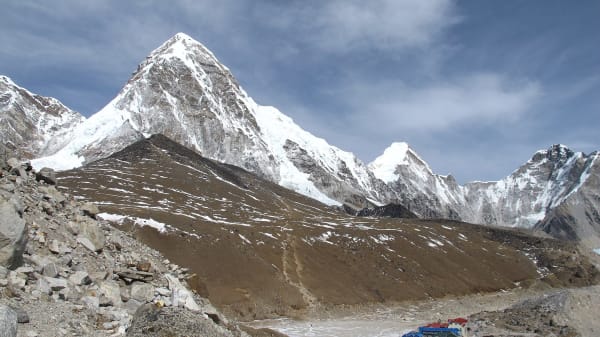
Nepal's road network stops where the serious mountains begin, so four or five of the country's best treks start with a 20 to 45 minute flight in a small aircraft. These flights are safe when operated properly, spectacular in clear weather, and almost completely at the mercy of cloud.
Understanding how they work is one of the highest-value things you can do when planning a trek, because a missed flight is the single most common way a Nepal itinerary goes wrong.
The Flights That Matter to Trekkers
| Route | Flight time | Serves | Reliability |
|---|---|---|---|
| Kathmandu or Ramechhap – Lukla | 25–35 min | Everest Base Camp, Gokyo, Three Passes, Island and Mera Peak | Weather-dependent, morning only |
| Kathmandu – Pokhara | 25 min | Annapurna and Mustang treks | Very reliable, frequent |
| Pokhara – Jomsom | 20 min | Upper and Lower Mustang, Muktinath, Dolpo link | Morning only, strong midday winds |
| Nepalgunj – Juphal | 35 min | Lower and Upper Dolpo, Shey Phoksundo | Limited frequency, weather-dependent |
| Kathmandu – Bhadrapur or Biratnagar | 45–50 min | Kanchenjunga, Makalu, Red Panda Trail | Reliable jet and turboprop services |
| Kathmandu – Tumlingtar | 35 min | Makalu Base Camp, Mundum Trail | Small aircraft, moderate reliability |
| Kathmandu – Nepalgunj or Bharatpur | 45–50 min | Bardia, Chitwan, far-west treks | Reliable |
Mountain flights all operate in the morning for the same reason: valley winds build after about 11 a.m. and turn a demanding approach into an unsafe one. If you are told your flight is at 6.15 a.m., that is not an inconvenience — it is the weather window.
The Lukla Flight and the Ramechhap Question
Tenzing-Hillary Airport at Lukla sits at 2,845 m with a 527 m sloping runway against a hillside, and it is the gateway to every Everest-region trek. In the peak weeks of spring and autumn, Kathmandu's airport cannot absorb the traffic, so Lukla flights are moved to Manthali airport at Ramechhap, a four to five hour drive east of Kathmandu.
What that means in practice:
- A night drive or a very early start — typically leaving Kathmandu between 1 a.m. and 2 a.m. to reach Manthali for a dawn slot.
- A shorter, more reliable flight once you are there, at 12 to 15 minutes.
- An extra road day at the end of the trek on the way back.
- A decision to make: some trekkers choose to overnight at Ramechhap instead of driving through the night, which we can arrange.
Whether the season you travel in uses Kathmandu or Ramechhap is confirmed a few weeks ahead, not months, so our Everest Base Camp briefings cover it at the pre-trek meeting. A helicopter transfer is the alternative for groups who want to avoid the drive entirely — see our helicopter return guide.
Baggage Limits
Mountain flights are strict about weight because the aircraft are small and the altitudes are high.
| Flight | Checked | Hand | Excess |
|---|---|---|---|
| Lukla (Dornier, Let L-410) | 10 kg | 5 kg | Charged per kg, subject to space |
| Jomsom, Juphal, Tumlingtar | 10 kg | 5 kg | Charged per kg |
| Kathmandu – Pokhara (jet or ATR) | 15–20 kg | 5 kg | Standard airline excess |
| Helicopter charter | By total payload | — | Discussed at booking |
The 15 kg total on a Lukla flight is the real constraint on your packing, and it is why anything not needed on the trail goes into storage at your Kathmandu hotel. Wear your boots and down jacket on the flight rather than packing them.
How Delays Actually Work
Lukla and Jomsom flights are cancelled when the valley is in cloud, and the decision is taken slot by slot through the morning. A realistic picture of a bad day: you are at the airport at 5.30 a.m., the first slots go out, cloud closes in at 8 a.m., and by 11 a.m. everything is cancelled and rolled to tomorrow — behind today's passengers.
What we do:
- Book the earliest available slots, which have the best chance of flying.
- Hold your hotel room in Kathmandu or Lukla rather than releasing it, so a cancellation does not leave you without a bed.
- Rebook you onto the next morning with priority where the airline allows.
- Offer a helicopter transfer at the point where the delay threatens your international flight. This is a genuine extra cost, typically shared between several passengers.
- Where the trek itself can be shortened safely, adjust the itinerary rather than cancelling the trip.
What you should do: build in two buffer days at the end of any Lukla or Jomsom trek before your international flight. It is the single most useful piece of planning advice on this page, and the cheapest.
Flying in Nepal: Practical Notes
- Sit on the left flying Kathmandu to Pokhara for the Annapurna and Manaslu skyline; on the right coming back.
- Flying into Lukla, the right side gives the better valley view on approach.
- Pokhara International Airport opened in 2023, so some itineraries can route there directly.
- Carry your documents, medication, electronics, and one warm layer in your hand baggage. Checked bags occasionally travel on a later aircraft.
- There is no meal service on mountain flights and no catering at Manthali — bring a snack and water.
- Domestic flight tickets are issued in your passport name; a mismatch with your booking name is a real problem at the counter.
- Keep an eye on weather rather than the schedule. Your guide will have better information from lodges up the valley than any app.
A word on safety, since it is a reasonable question. Nepal's mountain airstrips are demanding and the country's aviation record has been uneven. We fly with the operators we consider the most professionally run on each route, we do not book afternoon slots into mountain strips, and we would rather lose a day to weather than push a flight. If you would prefer to avoid mountain flights entirely, there are good alternatives — Annapurna Base Camp, Langtang Valley, and Manaslu Circuit are all reached by road.