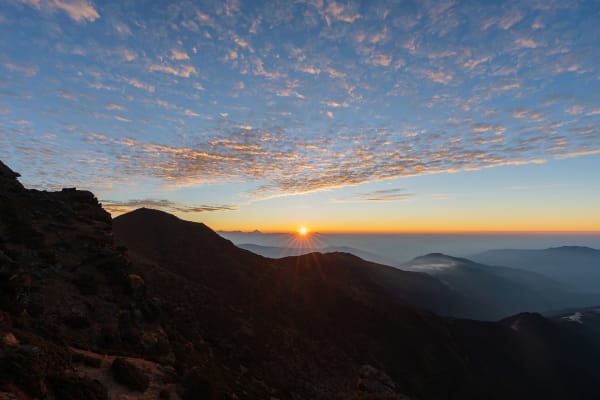
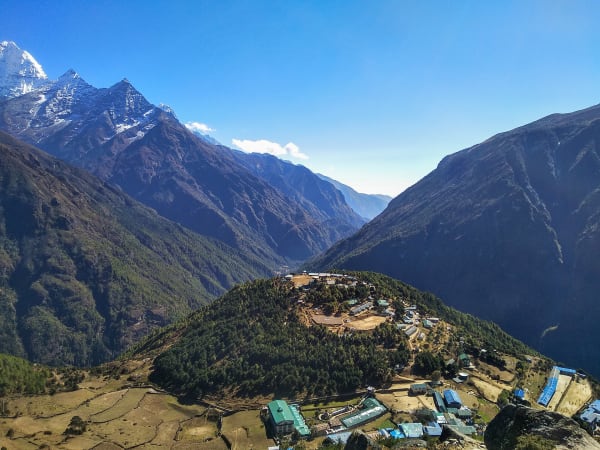
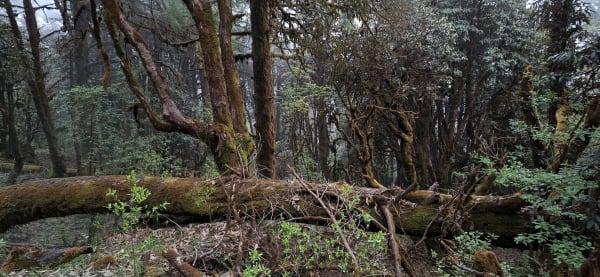
Winter is the most underrated trekking season in Nepal. The monsoon dust has long settled, the pre-monsoon haze has not started, and the air between December and February is as transparent as it gets. Trails that hold a queue in October are empty, lodge owners have time to talk, and prices soften.
The constraints are real: nights below -15 °C above 4,000 m, daylight short enough to shape the walking day, some high lodges shut, and the genuine possibility that a 5,000 m pass closes for a week after snowfall. Work within them and winter is a better trek than autumn.
The Best Winter Routes
| Trek | Days | Max altitude | Why it works in winter |
|---|---|---|---|
| Poon Hill | 7 | 2,885 m | Low enough to stay comfortable, and the Annapurna sunrise is at its sharpest in December |
| Mardi Himal | 9 | 3,580 m | A ridge above the treeline with Machhapuchhre at arm's length; High Camp is cold but open |
| Pikey Peak | 8 | 4,065 m | The best winter Everest view in Nepal, on a trail almost nobody walks |
| Everest View Trek | 9 | 3,880 m | Namche, Khumjung and the Everest View Hotel without going near the high valley |
| Langtang Valley | 10 | 3,800 m | South-facing, sheltered, road access, and lodges that stay open |
| Ama Yangri | 5 | 2,590 m | Two days from Kathmandu, warm days, and a Himalayan skyline from a Tamang ridge |
| Annapurna Base Camp | 9 | 4,130 m | Possible with care — check avalanche conditions in the sanctuary gorge |
| Mohare Danda | 10 | 3,300 m | Community lodges with good stoves, and the quietest ridge in the Annapurna foothills |
The pattern: stay below about 4,100 m, prefer ridges and viewpoints over passes, and choose south-facing valleys that get sun. Pikey Peak is the standout — a 4,065 m summit with Everest, Makalu, Kanchenjunga, and Dhaulagiri visible at once, on a trail with a fraction of the Khumbu's traffic.
What to Leave for Another Season
- Thorong La on the Annapurna Circuit — at 5,416 m it can close for days after snowfall, and there is no alternative route once you are committed beyond Manang.
- The Everest Three Passes — Cho La, Renjo La, and Kongma La are all serious propositions in deep snow.
- Larke La on the Manaslu Circuit — the Dharmasala to Bimthang day is long, exposed, and at 5,106 m.
- Tilicho Lake — the traverse to the lake is avalanche-prone and the lake itself frozen.
- Kanchenjunga and Makalu — remote, high, and with lodges that close for the winter.
- Trekking peaks — technically possible, but much colder and windier, and the reason permit fees drop in winter.
Everest Base Camp sits in between. It is done in winter, the views are superb, and the trail is quiet — but Gorak Shep at -20 °C with some lodges closed is a different trip from the same route in November. We run it on request for experienced trekkers with the right sleeping bag, and we say no to first-timers.
Cold: What It Actually Means
| Altitude | Daytime in sun | Night |
|---|---|---|
| 2,000 m | 12 to 18 °C | 0 to 5 °C |
| 3,000 m | 8 to 14 °C | -5 to 0 °C |
| 3,500 m | 5 to 12 °C | -10 to -5 °C |
| 4,100 m | 0 to 8 °C | -15 to -8 °C |
| 5,100 m | -5 to 5 °C | -20 °C and below |
The practical consequences: a sleeping bag rated to -10 °C with a liner for routes to 3,800 m, and -20 °C above that; a genuine down jacket rather than a light one; two glove layers; and a wide-mouth bottle filled with boiled water as a sleeping-bag heater. Keep your camera battery, phone, and power bank in the bag with you overnight or they will be flat by morning.
Daylight is the other factor. Sunrise is around 6.45 a.m. and dusk comes by 5.30 p.m., and in a deep valley the sun leaves the trail well before that. Winter days start later and finish earlier than autumn ones, so our winter itineraries run shorter stages.
Practical Winter Advice
- Check which lodges are open. Above 4,000 m some families move down for the winter. Our guides confirm by phone the day before rather than on arrival.
- Walk with the sun. Start after the sun reaches the trail rather than at 6 a.m. in the dark, and aim to be in the lodge before the afternoon chill.
- Carry microspikes on any route that might hold ice on a shaded traverse. Light, cheap, and occasionally the difference between continuing and turning back.
- Treat snowfall as a stop signal, not an obstacle. A day in a lodge while a pass clears is a good day. Our winter itineraries carry a spare day for this.
- Book around Christmas and New Year. That fortnight is the one busy window in winter, particularly on the Annapurna trails.
- Expect the best photography of the year. Clear air, low sun, snow on every ridge, and no haze. Bring spare batteries.
One pleasant surprise: winter trekking at low altitude is warmer than people imagine. In the middle hills at 2,000 m, a December afternoon in sun is shirt-sleeve walking. It is only above 3,500 m that winter becomes a genuine technical consideration.