A trek clears the mind in a way few things do. For two weeks you have walked, slept and eaten on a simple rhythm, mostly offline. Many people come down wanting to stay in that state a little longer — and Nepal, the country where the Buddha was born, has more ways to do that than almost anywhere.
A retreat after a trek is not for everyone. It takes time, some of the options are genuinely hard, and they need booking well in advance. But if you have the days, the combination is hard to beat: the trek tires the body and quiets the mind, and the retreat takes the quiet further. This guide compares the main options honestly.
Why After the Trek, Not Before
- Your body wants stillness. After two weeks of walking, sitting down for a week feels like a relief rather than a restriction.
- Your mind is already quieter. You arrive with less mental noise than someone coming straight from an office, so the first days are easier.
- You keep your fitness for the trek. Ten days of sitting takes the edge off trekking legs; doing it first means starting the trek slightly deconditioned.
- Flight delays do no harm. Mountain flights are weather-dependent. A retreat with a fixed start date straight after a trek is a risk; leave a buffer of two or three days.
- It eases the return. A retreat is a staged re-entry — far gentler than going from base camp to an airport.
One caution: your knees and hips will be stiff from the trek, and long hours sitting cross-legged are demanding. Take two or three rest days first, stretch — see yoga for trekkers — and ask for a chair or extra cushions at the retreat. Every centre provides them.
The Options Compared
| Retreat | Length | Where | Style | Cost | Difficulty |
|---|---|---|---|---|---|
| Vipassana (S. N. Goenka tradition) | 10 days, fixed | Edge of Kathmandu; near Pokhara; Lumbini; other centres | Silent, intensive, non-sectarian | By donation | Hard |
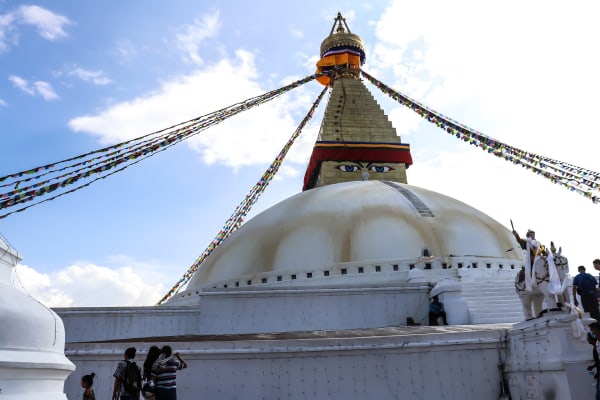
| Kopan monastery courses | About 7 to 10 days; one month each November | Hilltop north of Boudhanath, Kathmandu | Tibetan Buddhist teaching, meditation, discussion | Fixed fee including room and meals | Moderate |
| Intensive practice at Lumbini | Flexible, usually a week or more | Monastic zone, Lumbini | Burmese-tradition insight meditation | By donation | Hard |
| Weekend Buddhist course in Pokhara | About 3 days | Lakeside, Pokhara | Introductory teaching and guided practice | Modest fixed fee | Easy |
| Monastery guesthouse stay | 1 to several nights | Namo Buddha; Tsum Valley; Serang | Self-guided; attend prayers | Room and meals | Easy |
| Yoga and meditation retreat | 3 to 7 days | Pokhara; Kathmandu Valley rim | Yoga, meditation, good food, free time | Commercial rates | Easy |
The right choice depends on what you want. For rest with some structure, choose a yoga retreat. For an introduction to Buddhist ideas, Kopan or the Pokhara weekend course. For a serious plunge into meditation itself, Vipassana.
Ten-Day Vipassana: What It Really Involves
Vipassana courses in the tradition of S. N. Goenka are held at centres across Nepal, including one below Shivapuri forest on the edge of Kathmandu, one near Begnas Lake outside Pokhara, and one at Lumbini. They are free of charge — run entirely on donations from people who have completed a course — and open to anyone. They are also considerably tougher than most first-timers expect.
| Time | Activity |
|---|---|
| 4:00 am | Wake-up bell |
| 4:30 to 6:30 am | Meditation |
| 6:30 to 8:00 am | Breakfast and rest |
| 8:00 to 11:00 am | Group sitting, then meditation |
| 11:00 am to 1:00 pm | Lunch and rest |
| 1:00 to 5:00 pm | Meditation, including a group sitting |
| 5:00 to 6:00 pm | Tea break — the last food of the day |
| 6:00 to 7:00 pm | Group sitting |
| 7:00 to 8:15 pm | Recorded discourse |
| 9:30 pm | Lights out |
- About ten hours of meditation a day.
- Noble silence for the first nine days: no talking, gestures or eye contact with other students. You may speak to the teacher and the staff.
- No phone, books, writing materials or music. They are handed in on arrival.
- No exercise beyond walking in the grounds.
- Men and women are housed and seated separately.
- Simple vegetarian food, with no evening meal.
- You commit to stay all ten days. Leaving partway is strongly discouraged.
The first three days are spent observing the breath; the technique itself — systematic attention to sensations through the body — is taught on day four. Most people find days two and six the hardest. Most also say afterwards that it was one of the most worthwhile things they have done. Apply online through the organisation's own website, months ahead for the popular autumn and spring dates.
Gentler and Shorter Options
Kopan monastery
Kopan has taught Buddhism to Westerners since the 1970s. Its introductory courses combine teachings from a monk or nun, guided meditation, discussion groups and periods of silence, with accommodation and vegetarian meals on site. You are allowed to talk, read and ask questions, which makes it a much softer landing than Vipassana. The month-long November course is famous and fills early. The setting is covered in where to meditate in Kathmandu.
Lumbini
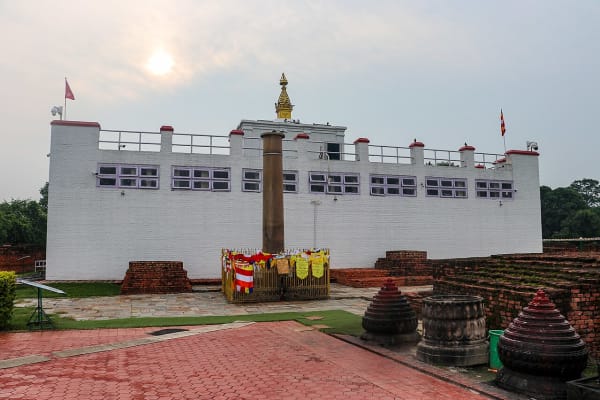
The Buddha's birthplace lies in the hot plains of southern Nepal, a short flight or a long drive from Kathmandu or Pokhara. Its monastic zone holds monasteries built by Buddhist communities from around the world, and a meditation centre in the Burmese tradition that accepts meditators for intensive practice of a week or more. Even without a retreat, two quiet days here — sitting under the trees beside the Maya Devi temple at dawn — are a fitting end to a journey. See our Lumbini travel guide and the Lumbini tour. Go between October and March; the plains are fiercely hot from April.

Pokhara
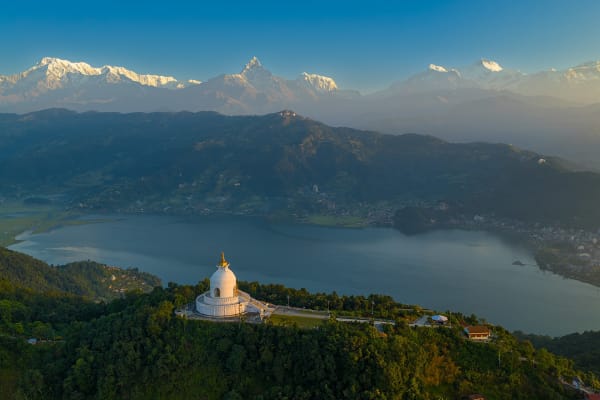
A weekend course at a Buddhist meditation centre in Lakeside, or three to seven days at one of the yoga retreats on the hills around the lake, fits easily after an Annapurna trek. See meditation and yoga in Pokhara.
Monastery stays
The guesthouse at Namo Buddha, two hours from Kathmandu, gives you a monastery routine without a course: prayers morning and evening, vegetarian meals, ridge walks in between. It is the simplest retreat to arrange at short notice.
Who Should Think Twice
Intensive silent retreats are powerful, and for a small number of people they are destabilising. Long hours of silence and introspection can bring up difficult memories and emotions. Reputable centres ask about your mental and physical health on the application form, and you should answer honestly.
- A history of serious mental illness — psychosis, bipolar disorder, severe depression, recent trauma. Discuss it with your doctor and with the centre before applying. A gentler retreat may be a better choice.
- Psychiatric medication. Do not stop it for a retreat. Declare it on the form.
- Physical illness after the trek. A lingering stomach bug or chest infection is miserable on a retreat; recover first.
- Simple exhaustion. If what you need is sleep and food, book a hotel by the lake, not a 4 am bell.
- Pregnancy and chronic conditions. Tell the centre; most can accommodate, but some courses have restrictions.
There is no shame in choosing the easy option. Three days of yoga, good food and a daily sit will do most tired trekkers more good than a retreat they are not ready for.
Planning the Dates and the Visa
- Book the retreat first, then fit the trek in front of it. Vipassana and Kopan dates are fixed and fill up; treks are flexible.
- Leave a buffer. Two or three days between the end of the trek and the start of the retreat covers flight delays and gives your legs time to loosen.
- Check your visa. Tourist visas on arrival are issued for 15, 30 or 90 days. A two-week trek plus a ten-day retreat plus travel days will not fit in 15, and is tight in 30. Extensions are available at the immigration offices in Kathmandu and Pokhara. See our visa guide.
- Store your trekking kit. Hotels will hold a bag while you are on retreat.
- Tell someone your dates. You will be out of contact; give family the centre's emergency number.
- Leave a day afterwards. Do not go straight from ten days of silence to an international flight.
We Provide This Service: Trek and Retreat Planning
Green Compass Treks helps guests combine a trek with a retreat, and arranges shorter meditation sessions before and after any trek for those without a spare week.
- Scheduling: we build your trek dates around a retreat you have booked, with a sensible buffer for flight delays.
- Short retreats arranged directly: monastery guesthouse stays at Namo Buddha, post-trek yoga and meditation days in Pokhara, and visits to Lumbini with transport and accommodation.
- Advice on what suits you — honestly given, including when a ten-day silent course is the wrong idea.
- Logistics: transfers to and from retreat centres, luggage storage, hotel nights on either side, and help with visa extensions.
- Pre- and post-trek sessions in Kathmandu and Pokhara if you want an introduction before committing to something longer.
Applications for Vipassana and Kopan courses are made by you, directly with the centre — that is how they work. We handle everything around them. Tell us your retreat dates, or the dates you are free, and we will plan the trek to match.