Sooner or later most trekkers need a pharmacy in Nepal. The Diamox was left on the kitchen table. The blister plasters ran out on day five. A stomach bug arrived the night before the flight home. The good news is that Kathmandu and Pokhara are well supplied: there are pharmacies on almost every street in the tourist districts, and clinics that have been treating trekkers for decades.
The catch is that supply drops off a cliff once you leave the road. What you can buy for a few rupees in Thamel may be unobtainable five days up the trail. This guide explains what is available where, how to buy sensibly, and where to go when you need more than a pharmacy.
This article is general information for trip planning, not medical advice. Named products and services are examples that may change; check locally.
What Is Easy to Buy and What Is Not
| Item | Availability in Kathmandu and Pokhara | Note |
|---|---|---|
| Paracetamol, ibuprofen | Everywhere | Very cheap |
| Oral rehydration salts | Everywhere, including many trail villages | Sold as Jeevan Jal |
| Acetazolamide (Diamox) | Widely available | Usually 250 mg tablets; get medical advice first |
| Common antibiotics, anti-parasitic medicines | Widely available | Use only on medical advice — see below |
| Loperamide, antacids, antihistamines | Widely available | Ask by generic name |
| Throat lozenges, cough syrups, cold remedies | Everywhere | Check ingredients; avoid codeine for altitude |
| Water purification tablets and chlorine drops | Widely available in pharmacies and trekking shops | Local chlorine solution is sold as Piyush |
| Sunscreen, lip balm | Available in Thamel and Lakeside | High SPF is costlier and stock varies; bring from home |
| Plasters, bandages, antiseptic, tape | Everywhere | Basic quality |
| Hydrocolloid blister plasters | Limited | Bring from home |
| Good insect repellent | Available | Check the active ingredient and strength |
| Specialised prescription medicines; specific brands | Unreliable | Bring your full supply |
| Insulin, adrenaline auto-injectors, inhalers of a particular type | Limited or different formulations | Bring your own, with spares |
| Contact lens solution, particular contraceptives | Limited choice | Bring from home |
The rule: buy the simple things here if you need to; bring anything specific to you. The full kit is in our trekking first aid kit guide.
How Pharmacies in Thamel and Lakeside Work
- They are small counters, not supermarkets. You ask for what you want; the pharmacist takes it from the shelf.
- Medicines are sold by the strip of ten tablets, or even by the single tablet, not by the box.
- Ask by generic name. Brand names differ from those at home. Say acetazolamide, not just Diamox; loperamide, not the brand you know.
- Many prescription medicines are sold without a prescription. This is convenient and also a risk: nobody checks whether the drug suits you, interacts with something else you take, or is the right treatment at all.
- Prices are low. A strip of common tablets usually costs well under a dollar or two.
- English is widely spoken in the tourist districts.
- Opening hours are long, roughly morning to mid-evening; hospital pharmacies stay open later.
Buying safely
- Choose an established pharmacy — a busy one, or one attached to a clinic or hospital. Poor-quality and counterfeit medicines exist across South Asia, and reputable outlets are your main protection.
- Check the expiry date printed on the strip.
- Check the strip is sealed and clearly printed with the drug name, strength and manufacturer.
- Check the strength. Tablets may be double or half what you are used to.
- Ask for the instructions to be written down on the packet.
- Keep the receipt.
- Do not ask a pharmacist to diagnose you. For anything beyond the obvious, see a doctor first.
On antibiotics especially: buying them over the counter for a cold or a mild upset stomach does you no good and adds to drug resistance, which is already a serious problem in the region. Use them when a doctor has advised it.
Local Names Worth Knowing
| You want | Ask for | Notes |
|---|---|---|
| Oral rehydration salts | Jeevan Jal | Orange-flavoured sachets, mixed with one litre of treated water. Sold in village shops as well as pharmacies |
| Chlorine water treatment | Piyush | A small bottle of chlorine solution; a few drops per litre, then wait half an hour |
| Paracetamol | Cetamol, or simply paracetamol | Usually 500 mg tablets |
| Altitude tablets | Acetazolamide, or Diamox | Usually 250 mg; the preventive dose is commonly half a tablet |
| Rub for colds and aches | Sancho | A strong herbal oil used all over Nepal; a traditional remedy rather than a medicine |
| Pharmacy | Look for the sign Pharmacy, Medical Hall or Aushadhi Pasal | A green or red cross is usual |
Lodge owners and guides may also offer you garlic soup, ginger tea and local remedies for altitude and colds. They are comforting, hydrating and harmless — and not a substitute for descent or medicine when those are needed.
Travel Clinics and Hospitals
For anything more than a simple purchase — a fever, a persistent stomach problem, an animal bite, a prescription query, vaccines — go to a clinic that specialises in travellers. They are used to trekkers, speak English, run their own laboratories, deal with insurers directly and stock reliable medicines.
- Kathmandu has long-established travel-medicine clinics such as CIWEC, in the Lazimpat area, and the Nepal International Clinic, both of which have treated trekkers and expatriates for decades, as well as several large private hospitals with emergency departments.
- Pokhara has a travel-medicine clinic in the Lakeside area and teaching hospitals in the city.
- Services: consultations, stool and blood tests, vaccinations including rabies vaccine after a bite, treatment of altitude illness, and admission if required.
- Cost: international-standard clinics charge accordingly — far more than a local pharmacy, far less than the equivalent at home in many countries. Keep every receipt and the doctor's report for your insurer.
- Insurance: call your insurer's emergency line before treatment where you can. Many clinics will liaise directly.
If you are unwell at the end of a trek, being seen in Kathmandu or Pokhara before you fly is often the best decision. The doctors there see more giardia, typhoid and altitude illness in a month than most doctors elsewhere see in a career. See illness after a Nepal trek.

On the Trail: Health Posts and Aid Posts
| Where | What exists | Reality |
|---|---|---|
| Everest region | A hospital at Lukla and one at Kunde above Namche; a seasonal aid post at Pheriche run by the Himalayan Rescue Association with volunteer doctors; a seasonal rescue post at Machhermo on the Gokyo route | The best-served trekking region. Pheriche and Machhermo give daily altitude talks in season |
| Annapurna Circuit | A Himalayan Rescue Association aid post at Manang, staffed in the trekking seasons; a hospital at Jomsom | Go to the afternoon altitude talk in Manang on your rest day |
| Annapurna Base Camp, Poon Hill, Mardi Himal | Health posts in the larger villages such as Ghandruk | Basic; road access is close |
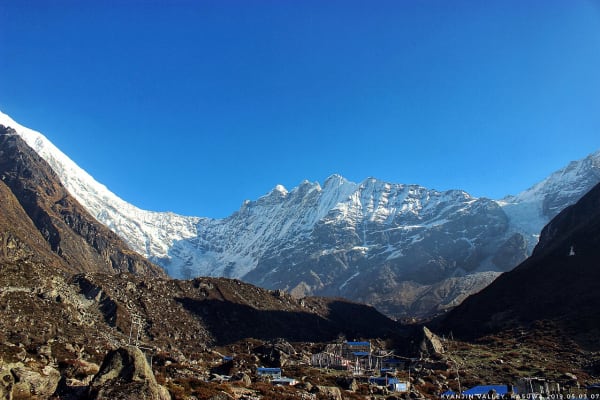
| Langtang | A health post in the valley; road head at Syabrubesi | Basic |
| Manaslu, Tsum | Health posts in a few larger villages | Limited stock and staffing |
| Dolpo, Kanchenjunga, Makalu and other remote routes | Very little | Entirely self-reliant; helicopter evacuation only |
- Lodge shops sell paracetamol, rehydration salts and plasters at best — at several times the city price, and not above the last major village.
- Government health posts are intended for local communities and may have no doctor and limited medicines.
- Your guide's medical kit and your own are, in practice, the pharmacy above the road head.
- Helicopter evacuation is the route to hospital from most places, weather permitting — which is why insurance is non-negotiable. See travel insurance for trekking in Nepal.
Bringing Medicines into Nepal
- Personal medicines in reasonable quantities are not a problem at customs.
- Keep them in original packaging with your name on the pharmacy label where possible.
- Carry a doctor's letter and copies of prescriptions, listing generic names and doses.
- Controlled drugs — strong opioid painkillers, some sedatives and sleeping tablets, stimulant medication — need particular care. Carry the prescription and letter, bring only what you need for the trip, and check the rules for every country you transit through as well.
- Syringes and needles for insulin or other treatment should be covered by the letter.
- Hand luggage. Never check in medicine you cannot do without.
Planning for specific conditions is covered in trekking in Nepal with a medical condition.
A Pre-Trek Pharmacy Checklist
If you have an hour in Thamel or Lakeside before the trek, this is the top-up list most people need.
- Oral rehydration salts — six to eight sachets.
- Paracetamol and ibuprofen — a strip or two of each.
- Throat lozenges — more than you think.
- Hand sanitiser — a small bottle to refill.
- Water purification tablets or drops as a back-up.
- Zinc oxide tape and plasters.
- Antiseptic — a small bottle of povidone-iodine.
- Sunscreen and lip balm with SPF, if you did not bring them.
- Toilet paper and wet wipes.
- Anything your doctor prescribed that you have forgotten — with medical advice if you are buying it for the first time.
Do it the day before departure, not on the morning you leave. The errands for your first day or two in the city are in arriving in Kathmandu: your first 48 hours.
We Provide This Service: Pre- and Post-Trek Health Support
Green Compass Treks provides health support before, during and after every trek. In the city, that mostly means saving you time and steering you to the right door.
- A kit check at your pre-trek briefing, so you know exactly what is missing.
- A guide or staff member to take you to a reputable, established pharmacy in Kathmandu or Pokhara, help with names and strengths, and make sure you are not overcharged.
- Appointments at a travel-medicine clinic — before the trek for a late vaccine or a prescription query, or afterwards for any symptom — with transport arranged.
- Immediate help after an animal bite or other urgent problem, including getting you to a clinic that stocks rabies vaccine.
- On the trek: a guide carrying a group medical kit, with a pulse oximeter and emergency medication on high-altitude routes, and knowledge of where the nearest health post or aid post is.
- Evacuation and insurer liaison if you need a hospital.
We do not sell or prescribe medicines, and we are not a substitute for a doctor. We make sure you can reach one, and that you leave the city properly equipped. Ask us anything before you travel.