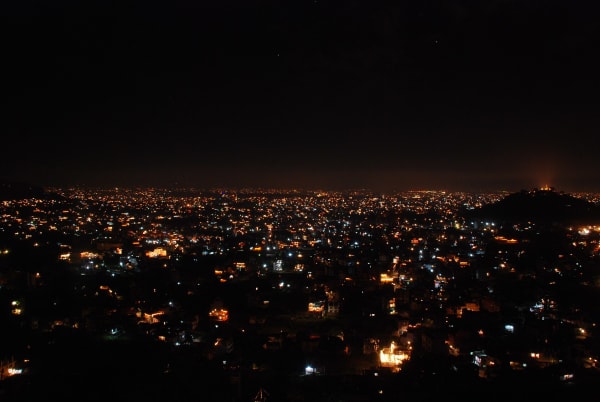

At Dashain, Kathmandu empties. Half the population goes home to the hills and the city falls silent for a week. Tihar is the opposite. People who left for Dashain are back, the festival is one you celebrate where you live, and the valley's own Newar community treats it as the turn of the year. For five days the capital is busier, brighter and more fun than at any other time.
It also keeps working. Hotels, tourist restaurants and the airport run as normal, and only the last day is properly quiet. This guide goes through the week as it will fall in 2026, with what to see each day and what you cannot get done.
The Week Day by Day
| Date (2026) | What is happening | Best thing to do |
|---|---|---|
| Thu 5 – Fri 6 November | The markets at full stretch. Last working days. | Walk Ason and Indra Chowk in the late afternoon. Finish any paperwork. |
| Sat 7 November | Kaag Tihar. Crows fed at dawn; shopping continues. | Heritage sites by day — Swayambhunath, Boudhanath, Pashupatinath. |
| Sun 8 November | Kukur Tihar in the morning; Laxmi Puja at night. | Old-city walk at 8 am for the dogs; out again from 5.30 pm for the lamps. |
| Mon 9 November | Gai Tihar. Houses still lit; singing in the evening. | A day in Patan or Bhaktapur; back for deusi-bhailo in Thamel. |
| Tue 10 November | Nepal Sambat New Year 1147; Mha Puja in the evening. | Processions around Basantapur and Patan from late morning. |
| Wed 11 November | Bhai Tika. The city at rest. | Rani Pokhari in the morning; a long lunch; streets again from four. |
| Thu 12 November | Everything reopens. | Permits, banks, onward travel. |
The meaning of each day is in our Tihar travel guide, and the timings in the dates guide.
Before the Festival: The Markets
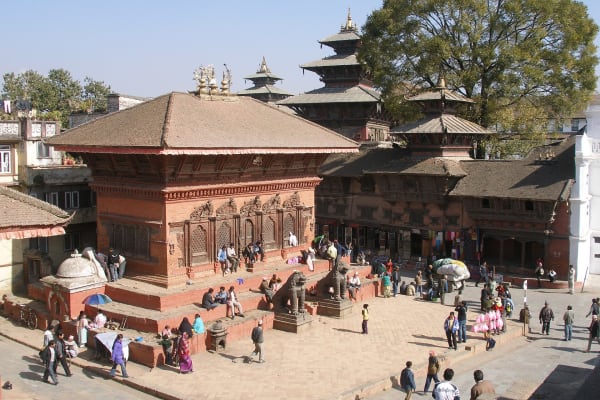
If you arrive a few days early, the build-up is as good as the festival. The old bazaar that runs from Ason through Indra Chowk to Durbar Square is the city's original high street — a diagonal lane on the line of the old trade route to Tibet — and in the week before Tihar it is close to impassable.
- Flowers. Marigolds by the truckload, strung into garlands on the pavement, and from about the 9th the purple globe amaranth for Bhai Tika.
- Lamps. Stacks of unglazed clay saucers, cotton wicks sold by the bundle, mustard oil by the bottle.
- Colour. Cones of rangoli powder in a dozen shades, and paper packets of the seven-colour tika.
- Sweets and nuts. Boxed mithai, and decorated bags of dried fruit for the Bhai Tika plate.
- Lights. Every length and colour of electric fairy light, tested on the spot.
- Fruit. Pomelos, citrons, oranges and sugarcane.
Go between three and six in the afternoon, on foot, with your bag in front of you — it is crowded enough for pickpockets. A second flower market sets up around the Bagmati bridge at Teku and along the ring road.
Sunday 8 November: Dogs by Day, Lamps by Night
This is the day to plan the week around. Because of the way the lunar days fall in 2026, the morning of the dog and the night of Laxmi share a date.
Morning. Be out by eight. Walk from Thamel south through Jyatha to Ason and on to Durbar Square. You will pass dogs being garlanded on doorsteps, dogs asleep on temple steps in three garlands each, and stallholders feeding the strays they share the street with all year. More in Kukur Tihar.
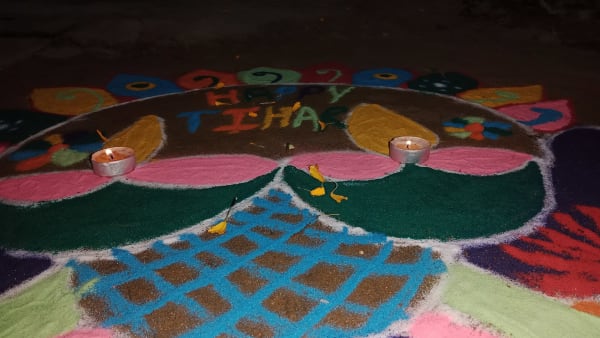
Afternoon. A lull while every household cleans and decorates. Rangoli are being drawn at shop fronts from about two. This is a good time to rest; the evening is long.
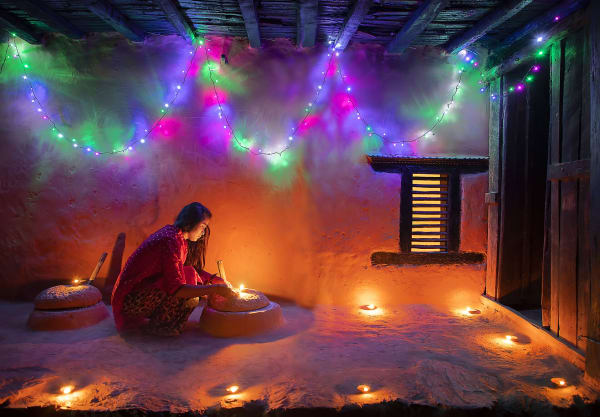
Evening. Sunset is at about a quarter past five. Start at Durbar Square as the first lamps go on, walk the old bazaar north to Ason, and finish in Thamel, where the bhailo groups will find you. Or cross the river to Patan, where the square is lit almost entirely by oil lamps. More in Laxmi Puja.

Tuesday 10 November: New Year's Day
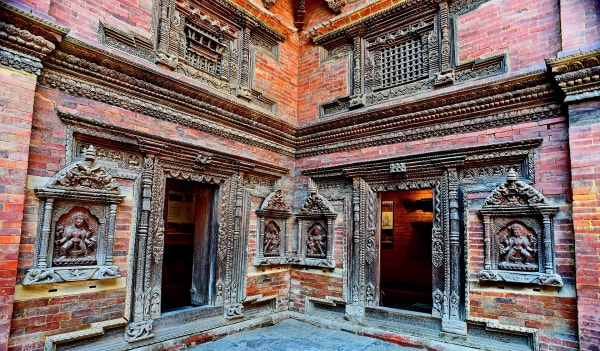
The fourth day belongs to the Newars. From mid-morning, rallies of motorbikes with red flags circle the city, and then the processions begin: ranks of drummers, women in black saris bordered with red, masked dancers, children dressed as deities. The main gathering in Kathmandu is around Basantapur, the open square at the south end of Durbar Square. Patan and Bhaktapur hold their own.
In the evening the old neighbourhoods go quiet and families perform Mha Puja indoors. Walk the back lanes of Patan after dark: oil lamps on every step, and the sound of deusi from somewhere two streets away. The background is in Mha Puja and Nepal Sambat New Year.

What Is Open and Closed
| During Tihar | Notes | |
|---|---|---|
| Hotels and guesthouses | Open | Often decorated; many arrange a Laxmi Puja for guests |
| Restaurants in Thamel, Boudha, Jhamsikhel | Open | Some staff on leave; menus may be shortened on Bhai Tika |
| Neighbourhood restaurants and tea shops | Mixed | Mostly closed on Bhai Tika; Newar-run places closed on the 10th and 11th |
| Trekking and gear shops | Open | Shorter hours on Laxmi Puja evening and Bhai Tika morning |
| Supermarkets and pharmacies | Open | Reduced hours on the 8th and 11th |
| Banks | Closed 8 – 11 November | ATMs work; use them before the 7th |
| Money changers in Thamel | Mostly open | Closed on Bhai Tika morning |
| Immigration, tourism board, permit offices | Closed 7 – 11 November | Reopen Thursday 12th |
| Durbar Squares, Swayambhunath, Boudhanath, Pashupatinath | Open | Ticket counters run as normal |
| Museums | Mixed | State museums close on public holidays; ask before making a special journey |
| Clinics for travellers | Open, with emergency cover | Call ahead on Bhai Tika |
The difference from Dashain is large. Then, you plan around a city that has shut; see Kathmandu during Dashain. At Tihar the only things you truly cannot do are bank and deal with government.
Getting Around and Getting Away
- Walk in the old city. On the festival evenings the lanes between Thamel and Durbar Square are slow even on foot, and a taxi is no help.
- Taxis and ride apps work all week, with fewer drivers and higher fares on Laxmi Puja night and through Bhai Tika. Agree the price first.
- Late-evening returns from Patan or Bhaktapur are hard on the 8th. Stay over, or leave by eight.
- The airport runs normally. International flights are unaffected.
- Domestic flights and tourist buses are heavily booked on 9 and 10 November as people travel to their sisters. Thursday the 12th is busy with the return. Travel on the 8th or the 11th if you can, or book well ahead; see domestic flights.
- Day trips are easy: Nagarkot for sunrise, the Chandragiri cable car (queues on holiday afternoons), or the Dhulikhel to Namobuddha hike through the harvest.
Where to Stay and Practical Tips
- Thamel is the convenient base: everything open, the old city ten minutes' walk away, deusi-bhailo at your door.
- Patan is the atmospheric one. Small heritage guesthouses in restored Newar houses put you inside the festival; several arrange for guests to join a family's Laxmi Puja.
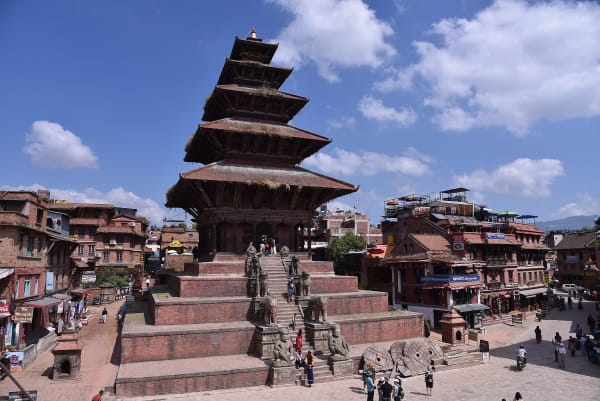
- Bhaktapur for a night on the 8th, to see the squares by lamplight after the day visitors have left.
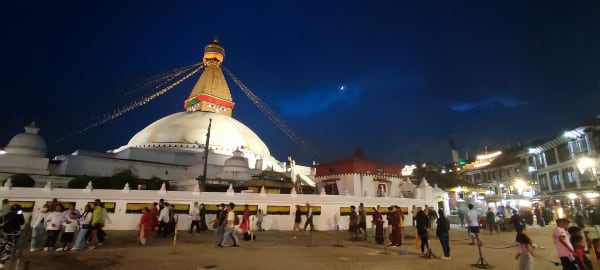
- Boudha if you want calm. The stupa is beautiful at night at any time, and the festival noise is at a distance.
- Book rooms early. The festival overlaps peak trekking season and good places fill.
- Carry cash for four days, in small notes for singers and flower sellers.
- Firecrackers are banned and common. They peak on the evenings of the 8th to 10th. Light sleepers should bring earplugs.
- Air quality dips on Laxmi Puja night from smoke; anyone with asthma should keep their inhaler handy.
- Mind the flames. Lamps are on the ground and on every step.
- Dress up a little on the 8th and 10th. Everyone else has.
A guided evening is worth it at least once: the best courtyards are behind doorways you would walk past. Our Kathmandu day tour and Kathmandu Valley Tour are re-timed for the festival evenings on request, and the Kathmandu Photography Tour is built round the light. New to the city? Start with your first 48 hours in Kathmandu.